Best exercises for regular workout sessions at home sets the stage for this enthralling narrative, offering readers a glimpse into a story that is rich in detail with casual formal language style and brimming with originality from the outset.
Regular workout sessions at home are essential for maintaining physical fitness and overall well-being. In this guide, we will explore the best exercises, tips, and strategies to help you stay active and healthy in the comfort of your own home.
Balanced Diet
Maintaining a balanced diet is crucial for overall health and well-being. It provides the necessary nutrients that our bodies need to function properly and stay healthy. When combined with regular exercise, a balanced diet can significantly improve physical fitness levels and support workout sessions at home.
Nutrient-Rich Foods for a Balanced Diet
Eating a variety of foods rich in essential nutrients is key to achieving a balanced diet. Some nutrient-rich foods to include are:
- Fruits and vegetables: Packed with vitamins, minerals, and antioxidants that support overall health and immunity.
- Whole grains: Great sources of fiber, which aids in digestion and helps keep you feeling full and satisfied.
- Lean proteins: Essential for muscle repair and growth, important for those engaging in regular workout sessions.
- Dairy or dairy alternatives: Provide calcium for bone health and protein for muscle function.
- Healthy fats: Found in foods like nuts, seeds, and avocados, necessary for hormone production and energy.
Benefits of a Balanced Diet for Physical Fitness
A balanced diet plays a crucial role in supporting physical fitness, especially during home workout sessions. Here’s how:
- Energy levels: Proper nutrition fuels your body with the energy needed to perform exercises effectively.
- Muscle recovery: Nutrient-dense foods help in muscle repair and recovery after intense workouts.
- Weight management: A balanced diet can aid in maintaining a healthy weight, supporting fitness goals.
- Overall health: By providing essential nutrients, a balanced diet boosts immunity and overall well-being.
Mental Wellness
Regular exercise at home can have a significant impact on mental wellness. Physical activity is not only beneficial for our physical health but also plays a crucial role in improving our mental well-being. Exercise has been shown to reduce symptoms of anxiety, depression, and stress, while also boosting overall mood and self-esteem.
Positive Impact of Physical Activity on Mental Health
Regular exercise releases endorphins, often referred to as ‘feel-good’ hormones, which can help alleviate feelings of sadness and anxiety. Additionally, physical activity promotes better sleep patterns, which are essential for maintaining a healthy mind. Engaging in a workout routine at home can also provide a sense of accomplishment and control, leading to increased confidence and a more positive outlook on life.
Incorporating Mindfulness Practices
- Begin each workout session with a few minutes of deep breathing or meditation to help clear your mind and focus on the present moment.
- Practice mindfulness during exercises by paying attention to your body’s movements, sensations, and breathing. This can help you stay grounded and enhance the mind-body connection.
- Consider incorporating yoga or tai chi into your home workout routine, as these activities emphasize mindfulness, relaxation, and mental clarity.
- Take breaks during your workout to practice gratitude or positive affirmations, fostering a sense of positivity and well-being.
- After completing your workout, take a moment to reflect on how you feel mentally and emotionally, acknowledging any changes or improvements in your mood.
Physical Fitness
Regular exercise is key to improving physical fitness, and it can be effectively done at home without the need for fancy equipment or gym memberships. Consistency is crucial in maintaining and enhancing physical health through a home workout routine. Setting fitness goals and tracking progress can help individuals stay motivated and focused on their journey to better physical fitness.
Best Exercises for Improving Physical Fitness at Home
- Bodyweight exercises such as squats, lunges, push-ups, and planks are great for building strength and endurance.
- Cardio exercises like jumping jacks, high knees, and burpees can help improve cardiovascular health and burn calories.
- Yoga and Pilates are excellent for improving flexibility, balance, and overall body awareness.
- Interval training, incorporating short bursts of high-intensity exercises followed by rest periods, can boost metabolism and improve fitness levels.
Importance of Consistency in a Home Workout Routine
Consistency is key in any fitness journey, especially when working out at home. Regular exercise helps build strength, endurance, and flexibility over time. By sticking to a consistent workout schedule, individuals can see improvements in their physical fitness and overall well-being.
Guidelines on Setting Fitness Goals and Tracking Progress
- Set specific, measurable, achievable, relevant, and time-bound (SMART) fitness goals to keep you motivated.
- Track your progress by keeping a workout journal, using fitness apps, or measuring key metrics like weight, body measurements, and workout performance.
- Celebrate small victories along the way to stay motivated and focused on your fitness goals.
- Adjust your goals as needed based on your progress and listen to your body to avoid burnout or injuries.
Adequate Hydration
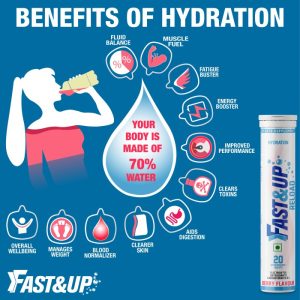
Staying properly hydrated is crucial when engaging in home workouts as it helps regulate body temperature, maintain energy levels, and support overall performance.
Tips for Maintaining Hydration Levels
- Before Exercise: Drink about 17-20 ounces of water 2-3 hours before your workout to ensure you are adequately hydrated.
- During Exercise: Sip on water every 15-20 minutes during your workout to replace fluids lost through sweat.
- After Exercise: Replenish lost fluids by drinking 8 ounces of water within 30 minutes of completing your workout, and continue to hydrate throughout the day.
Benefits of Adequate Hydration
- Improved Performance: Proper hydration helps maintain stamina, endurance, and focus during workouts, leading to better overall performance.
- Enhanced Recovery: Hydration supports muscle recovery and reduces the risk of cramps and fatigue post-exercise.
- Regulated Body Functions: Water is essential for various bodily functions such as nutrient absorption, digestion, and circulation, promoting overall health and well-being.
Regular Exercise
Regular exercise is essential for maintaining overall health and well-being. Incorporating exercise into your daily routine brings a multitude of benefits, both physically and mentally. It helps improve cardiovascular health, build strength, increase flexibility, boost mood, and reduce stress levels.
Consistency is key when it comes to reaping the rewards of regular exercise.
Simple yet Effective Exercises for Home Workouts
- Bodyweight exercises: Squats, lunges, push-ups, and planks are great for building strength and endurance without the need for equipment.
- Cardiovascular exercises: Jumping jacks, high knees, and mountain climbers can get your heart rate up and improve your stamina.
- Yoga or Pilates: These low-impact exercises focus on flexibility, balance, and core strength, providing a well-rounded workout.
- Interval training: Incorporating intervals of high-intensity exercises with periods of rest can help burn calories and improve fitness levels.
Staying Motivated and Consistent
- Set specific goals: Whether it’s completing a certain number of workouts per week or achieving a fitness milestone, having clear objectives can keep you motivated.
- Find a workout buddy: Partnering up with a friend or family member can make exercising more enjoyable and hold you accountable.
- Create a schedule: Plan your workouts ahead of time and treat them like appointments that you can’t miss.
- Reward yourself: Celebrate your progress with small rewards to reinforce positive behavior and stay on track.
Healthy Lifestyle
Regular workouts at home play a crucial role in promoting a healthy lifestyle by enhancing physical fitness, improving mental well-being, and boosting overall wellness. When combined with a balanced diet, adequate hydration, and self-care practices, home workouts contribute to a holistic approach to health and well-being.
Nutrition for Healthy Living
Nutrition is a key component of a healthy lifestyle, supporting optimal physical and mental functioning. A balanced diet rich in fruits, vegetables, whole grains, lean proteins, and healthy fats provides essential nutrients for energy, muscle recovery, and overall health. It is important to fuel your body with nutritious foods that support your fitness goals and overall well-being.
Exercise for Overall Well-being
Regular exercise, including home workouts, helps improve cardiovascular health, build strength, enhance flexibility, and boost mood. Incorporating a variety of exercises, such as cardio, strength training, yoga, and stretching, into your routine can help you achieve a balanced fitness regimen that targets different areas of physical fitness.
Consistency is key to reaping the benefits of exercise for overall well-being.
Self-Care Practices
In addition to nutrition and exercise, self-care practices are essential for maintaining a healthy lifestyle. Engaging in activities that promote relaxation, stress management, and mental health, such as meditation, deep breathing exercises, and adequate rest, can help reduce the negative impact of daily stressors on your well-being.
Prioritizing self-care allows you to recharge, rejuvenate, and maintain a healthy work-life balance.
Nutrient-Rich
When engaging in regular workout sessions at home, it is crucial to focus on consuming nutrient-rich foods that can provide the necessary energy and support for your body. These key nutrients play a vital role in helping you achieve your fitness goals and aiding in the recovery process.
Essential Nutrients for Home Workouts
Here are some key nutrients that are essential for supporting a home workout regimen:
- Protein: Helps repair and build muscle tissues, essential for muscle recovery.
- Carbohydrates: Serve as the primary source of energy for your workouts.
- Healthy Fats: Provide sustained energy and support overall health.
- Vitamins and Minerals: Aid in various bodily functions and help maintain overall health.
Importance of Nutrient-Rich Foods
Consuming nutrient-rich foods is important for providing the necessary energy to fuel your workouts and aiding in the recovery process. These foods can help optimize your performance, improve muscle recovery, and support overall well-being.
Nutrient-Rich Snack Examples
Here are some examples of nutrient-rich snacks that can fuel your body before and after workouts:
- Greek yogurt with berries and almonds
- Whole grain toast with avocado and eggs
- Trail mix with nuts, seeds, and dried fruits
- Vegetable sticks with hummus
Stress Management
Regular exercise at home can be a powerful tool in managing stress levels. Physical activity has been shown to reduce stress and anxiety, improve mood, and increase overall feelings of well-being. By incorporating exercise into your daily routine, you can help alleviate the negative effects of stress on both your body and mind.
Relaxation Techniques
After a workout session at home, it’s important to take time to relax and unwind. Incorporating relaxation techniques can further enhance the stress-relieving benefits of exercise. Some effective relaxation techniques include deep breathing exercises, progressive muscle relaxation, meditation, and yoga.
These practices can help calm the mind, reduce tension in the body, and promote a sense of inner peace.
Connection Between Exercise and Stress Reduction
Physical activity triggers the release of endorphins, which are chemicals in the brain that act as natural painkillers and mood elevators. This release of endorphins during exercise can help reduce feelings of stress and anxiety. Additionally, engaging in regular exercise can improve sleep quality, boost self-esteem, and provide a healthy outlet for pent-up energy and emotions.
By making exercise a priority in your daily routine, you can effectively manage stress and improve your overall well-being.
Preventive Care
Regular exercise at home plays a crucial role in preventive care by helping to maintain overall health and reduce the risk of various health conditions. Exercise is known to be a key factor in preventing chronic diseases and promoting well-being.
Here are some tips on designing a home workout routine that focuses on preventive care.
Importance of Regular Exercise
Regular exercise helps in preventing chronic diseases such as heart disease, diabetes, and obesity. It strengthens the immune system, improves cardiovascular health, and enhances mental well-being. By staying active, individuals can lower their risk of developing these health conditions and enjoy a higher quality of life.
- Include a variety of exercises: Incorporate cardio, strength training, and flexibility exercises into your routine to target different areas of the body and improve overall fitness.
- Set realistic goals: Establish achievable fitness goals that motivate you to stay consistent with your workout routine and track your progress over time.
- Stay hydrated: Drink an adequate amount of water before, during, and after your workout to maintain proper hydration levels and support optimal performance.
- Listen to your body: Pay attention to any signs of discomfort or pain during exercise and adjust your routine accordingly to prevent injuries and promote safety.
Balanced Home Workout Routine
Designing a balanced home workout routine involves incorporating a mix of cardiovascular exercises, strength training, and flexibility exercises. This approach helps in targeting different muscle groups, improving endurance, and enhancing overall fitness levels.
- Cardiovascular exercises: Include activities such as jogging in place, jumping jacks, or dancing to elevate your heart rate and improve cardiovascular health.
- Strength training: Use bodyweight exercises like squats, push-ups, and lunges to build muscle strength and tone your body effectively.
- Flexibility exercises: Incorporate stretching exercises like yoga or Pilates to improve flexibility, reduce muscle tension, and prevent injuries.
Proper Nutrition
Proper nutrition plays a crucial role in supporting and enhancing the benefits of regular workout sessions at home. It provides the necessary fuel for the body to perform optimally, aids in muscle recovery, and helps achieve fitness goals effectively.
Guidelines for Meal Planning
Meal planning is essential to ensure that your body receives the right nutrients at the right time to support your fitness goals. Here are some guidelines to consider:
- Include a balance of macronutrients – carbohydrates, proteins, and fats – in each meal to provide energy and support muscle growth.
- Opt for whole, nutrient-dense foods such as fruits, vegetables, lean proteins, whole grains, and healthy fats to fuel your workouts.
- Stay hydrated by drinking an adequate amount of water throughout the day to support digestion, nutrient absorption, and overall performance.
- Avoid processed foods, sugary drinks, and excessive amounts of unhealthy fats to maintain a healthy diet and optimize your workout results.
Impact of Proper Nutrition on Workout Performance and Recovery
Proper nutrition directly impacts your workout performance and recovery by providing the necessary nutrients to fuel your workouts, repair muscle tissues, and replenish energy stores. A well-balanced diet can enhance your endurance, strength, and overall fitness levels, while also reducing the risk of injuries and fatigue.
By prioritizing proper nutrition, you can maximize the benefits of your home workout sessions and achieve your fitness goals more effectively.
Quality Sleep

Regular exercise and quality sleep are closely related. Engaging in home workouts can help improve sleep patterns and promote better rest. Adequate sleep is essential for muscle recovery and overall health.
Tips for Improving Sleep Through Home Workouts:
- Avoid intense workouts close to bedtime as it may interfere with falling asleep.
- Practice relaxation techniques such as yoga or meditation to unwind before bed.
- Establish a consistent workout routine to regulate your body’s internal clock.
Benefits of Adequate Rest for Muscle Recovery and Overall Health:
- Quality sleep allows muscles to repair and grow after exercise.
- Improved sleep boosts immune function and overall well-being.
- Proper rest enhances cognitive function and mood stability.
Cardio Health
Regular cardio exercises are essential for improving heart health and overall cardiovascular fitness. These exercises help strengthen the heart muscle, improve circulation, and increase lung capacity, leading to a healthier heart and reduced risk of heart disease.
Best Cardio Exercises at Home
- Jumping jacks: A simple yet effective cardio exercise that gets your heart rate up quickly.
- High knees: Running in place with high knees is a great way to boost cardiovascular endurance.
- Burpees: Combining squats, push-ups, and jumps, burpees provide a full-body workout and elevate heart rate.
- Jump rope: A classic cardio exercise that can be done in a small space and offers a great cardiovascular workout.
Importance of Cardiovascular Fitness
Regular cardiovascular exercise is crucial for maintaining a healthy heart and overall well-being. It helps lower blood pressure, improve cholesterol levels, and reduce the risk of heart disease and stroke. Including cardio workouts in your routine can also boost energy levels and enhance mood.
High-Intensity vs. Low-Impact Cardio Workouts
- High-Intensity:Exercises like HIIT (High-Intensity Interval Training) involve short bursts of intense activity followed by brief rest periods. These workouts are effective for burning calories and improving cardiovascular fitness.
- Low-Impact:Low-impact cardio exercises like swimming, cycling, or using an elliptical machine are gentler on the joints while still providing a good cardiovascular workout. They are ideal for individuals with joint issues or beginners starting a fitness routine.
Immune Boost
Regular exercise at home plays a crucial role in boosting the immune system. Physical activity has been shown to have a positive impact on immune function, reducing the risk of illness and promoting overall immunity.
Connection between Physical Activity and Immune Function
Regular exercise helps to improve the circulation of white blood cells in the body, which are essential for fighting off infections. Physical activity also promotes the release of endorphins, which can reduce stress and inflammation, further supporting a healthy immune response.
- Exercise increases the production of antibodies and T-cells, enhancing the body’s ability to ward off infections.
- Physical activity helps flush bacteria out of the lungs and airways, lowering the chance of getting a cold, flu, or other illnesses.
- Regular exercise can also contribute to better sleep quality, which is crucial for a strong immune system.
Role of Exercise in Reducing Risk of Illness, Best exercises for regular workout sessions at home
Engaging in regular physical activity has been linked to a reduced risk of chronic diseases such as heart disease, diabetes, and obesity. By maintaining a healthy weight and supporting overall well-being, exercise can help prevent illnesses that may weaken the immune system.
- Exercise stimulates the lymphatic system, which plays a key role in immune function by removing toxins and waste from the body.
- Physical activity can reduce inflammation, which is associated with various health conditions and can compromise the immune system.
- Regular exercise can also improve the body’s response to vaccines, making them more effective in providing immunity.
Positive Mindset
Maintaining a positive mindset during home workout sessions can greatly impact your overall performance and motivation. It can help you push through challenging exercises, stay consistent with your routine, and achieve your fitness goals effectively.
Strategies for Maintaining a Positive Attitude
- Start with positive affirmations: Begin your workout with positive self-talk to boost your confidence and motivation.
- Set realistic goals: Break down your fitness goals into smaller, achievable targets to stay focused and encouraged.
- Celebrate small victories: Acknowledge and celebrate your progress, no matter how small, to stay motivated and positive.
- Practice mindfulness: Stay present during your workout, focusing on the movements and how your body feels to enhance positivity.
- Listen to uplifting music: Create a workout playlist with songs that energize and uplift your mood for a more positive exercise experience.
Mental Benefits of Exercise for Positive Outlook
Regular exercise not only improves physical health but also has numerous mental benefits that contribute to a positive mindset. Some of these benefits include:
- Release of endorphins: Exercise triggers the release of endorphins, also known as ‘feel-good’ hormones, which can improve mood and reduce stress.
- Boost in self-confidence: Achieving fitness milestones and feeling stronger physically can boost self-esteem and create a positive self-image.
- Reduction in anxiety and depression: Physical activity has been linked to reducing symptoms of anxiety and depression, promoting a more positive outlook on life.
- Improved cognitive function: Exercise can enhance cognitive function, memory, and focus, leading to a clearer and more positive mindset.
Clean Eating
Clean eating is a dietary approach that focuses on consuming whole, unprocessed foods and avoiding highly processed or refined products. It involves choosing nutrient-dense foods that are rich in vitamins, minerals, and other essential nutrients to fuel the body effectively.
Examples of Clean Eating Habits
- Include a variety of fruits and vegetables in every meal to increase intake of antioxidants and fiber.
- Opt for lean protein sources such as chicken, fish, tofu, or legumes to support muscle repair and growth.
- Choose whole grains like quinoa, brown rice, and oats over refined grains to boost energy levels and promote satiety.
- Limit added sugars and opt for natural sweeteners like honey or maple syrup when needed.
- Stay hydrated by drinking plenty of water throughout the day to support digestion and overall well-being.
Benefits of a Clean Diet
- Enhances overall health by providing essential nutrients for optimal body functions.
- Improves workout performance by supplying the necessary energy for exercise and promoting faster recovery.
- Aids in weight management by reducing the intake of empty calories and promoting a balanced, nutrient-rich diet.
- Boosts immunity by supporting the body’s defense mechanisms with vitamins, minerals, and antioxidants.
Daily Activity
Regular physical activity is crucial for maintaining overall health and well-being, even when working out at home. It is essential to incorporate daily movement into your routine to promote fitness and prevent a sedentary lifestyle.
Tips for Staying Active
- Take short breaks throughout the day to stretch and walk around.
- Use household chores as an opportunity to move and stay active.
- Set reminders to stand up and move every hour if you have a desk job.
- Engage in activities like dancing, gardening, or playing with pets to increase daily movement.
Simple Activities for Daily Movement
- Go for a brisk walk or jog around your neighborhood.
- Do bodyweight exercises like squats, push-ups, or lunges while watching TV.
- Take the stairs instead of the elevator whenever possible.
- Practice yoga or Pilates to improve flexibility and strength.
Holistic Health
When it comes to holistic health, it’s all about looking at the big picture and considering the interconnectedness of physical, mental, and emotional well-being. A holistic approach to health and fitness in the context of home workouts involves more than just focusing on exercise and nutrition; it also considers factors like stress management, quality sleep, and positive mindset.
Balance and Harmony
Creating balance and harmony in all aspects of health is essential for a holistic lifestyle. Here are some tips on achieving this:
- Engage in regular physical exercise to strengthen your body and improve cardiovascular health.
- Practice mindfulness and meditation to enhance mental well-being and reduce stress levels.
- Focus on building emotional resilience by acknowledging and processing your feelings in a healthy way.
- Aim for a nutrient-rich diet that nourishes your body and supports overall health.
- Stay hydrated throughout the day to support bodily functions and maintain energy levels.
Mindful Living
Mindful living involves being fully present and engaged in the moment, paying attention to thoughts, feelings, sensations, and the environment without judgment. This practice can have numerous benefits when incorporated into home workout routines, enhancing overall well-being and workout effectiveness.
Incorporating Mindfulness into Exercise Routines
- Start by setting an intention for your workout, focusing on how you want to feel during and after the session.
- Practice deep breathing exercises to center yourself and connect with your body before starting your workout.
- Focus on the sensations in your body as you move, paying attention to each movement and muscle engaged.
- Avoid distractions and stay present by letting go of any thoughts about the past or future.
- End your workout with a cool-down and reflection on how your body feels, expressing gratitude for the opportunity to move and strengthen yourself.
Impact of Mindfulness on Overall Well-being and Workout Effectiveness
- Mindful living can reduce stress and anxiety, leading to a more positive mindset and improved mental wellness.
- By being present during workouts, you can enhance the mind-body connection and improve coordination and focus.
- Practicing mindfulness can help prevent injuries by allowing you to listen to your body’s signals and adjust your movements accordingly.
- Overall, incorporating mindfulness into exercise routines can lead to a more enjoyable and effective workout experience, promoting holistic health and well-being.
Emotional Balance
Regular exercise plays a crucial role in maintaining emotional balance. Physical activity produces endorphins, which are known as “feel-good” hormones. These endorphins help reduce stress, anxiety, and depression, leading to a more positive emotional state.
Strategies for Managing Emotions through Physical Activity at Home
- Start with a warm-up routine to prepare your body and mind for the workout session.
- Engage in activities you enjoy, whether it’s dancing, yoga, or strength training, to make the workout more enjoyable.
- Practice mindfulness during exercise by focusing on your movements and breathing to stay present and calm.
- Set realistic goals and track your progress to boost your confidence and motivation.
- Take breaks when needed and listen to your body to prevent burnout and reduce emotional stress.
Mental Benefits of Achieving Emotional Balance through Workouts
Regular exercise not only improves physical health but also enhances mental well-being by promoting emotional balance. When you achieve emotional balance through workouts, you may experience:
- Improved mood and overall happiness.
- Reduced symptoms of anxiety and depression.
- Increased self-esteem and self-confidence.
- Better stress management and coping skills.
- Enhanced focus, concentration, and mental clarity.
Health Education
Health education plays a crucial role in designing effective home workout plans. By understanding the fundamentals of fitness, nutrition, and overall well-being, individuals can make informed choices to improve their health and wellness.
Importance of Health Education
Having access to resources for learning about fitness, nutrition, and overall well-being is essential for individuals looking to enhance their well-being. These resources can include reputable websites, books, online courses, and professional advice from health and fitness experts.
With the knowledge gained from health education, individuals can tailor their home workout plans to meet their specific goals and needs. They can make informed decisions about the types of exercises to include, the importance of proper nutrition, and how to maintain a healthy lifestyle.
Empowerment through Knowledge
- Understanding the principles of health and fitness empowers individuals to take control of their wellness journey.
- By being educated about the benefits of regular exercise and balanced nutrition, individuals can make sustainable lifestyle changes.
- Health education helps individuals navigate the vast amount of information available and discern what is credible and reliable.
- With a solid foundation in health education, individuals can set realistic goals, track their progress, and make adjustments as needed to achieve optimum health.
Self-Care
Self-care practices play a crucial role in enhancing the effectiveness of home workouts by ensuring that your body and mind are in the best condition to engage in physical activity. Prioritizing self-care before and after exercise sessions can help improve recovery, reduce the risk of injury, and enhance overall well-being.
It is essential to incorporate self-care routines into your workout regimen to promote physical and mental health.
Self-Care Tips
- Before starting your workout, take a few minutes to practice deep breathing or meditation to center yourself and set a positive intention for your exercise session.
- After completing your workout, remember to stretch your muscles to prevent stiffness and promote flexibility. This can also help reduce muscle soreness and improve recovery.
- Hydrate adequately before, during, and after your workout to maintain optimal performance and support your body’s recovery process.
- Get enough rest and prioritize quality sleep to allow your body to recover and repair muscles after exercise.
- Incorporate relaxation techniques such as yoga or mindfulness practices to reduce stress levels and promote mental well-being.
Chronic Disease: Best Exercises For Regular Workout Sessions At Home
Regular exercise is crucial in the prevention and management of chronic diseases. By engaging in physical activity, individuals can reduce the risk of developing conditions such as heart disease, diabetes, and stroke. Exercise also plays a vital role in managing existing chronic conditions by improving overall health and well-being.
Benefits of Exercise for Chronic Disease Management
Regular exercise can benefit individuals with chronic health conditions in various ways. Specific exercises tailored to each condition can help improve cardiovascular health, increase flexibility and strength, and enhance overall quality of life. For example, individuals with diabetes can benefit from aerobic exercises like walking or cycling to help control blood sugar levels.
Patients with heart disease may benefit from low-impact activities like swimming or light resistance training to improve heart function.
Consulting Healthcare Professionals for Exercise Guidance
It is essential for individuals with chronic diseases to consult healthcare professionals before starting an exercise routine. Healthcare providers can offer personalized recommendations based on the individual’s health status, medical history, and fitness level. They can also provide guidance on the type, duration, and intensity of exercises that are safe and effective for managing chronic conditions.
Regular monitoring and adjustments to the exercise plan may be necessary to ensure optimal results while minimizing risks.
Concluding Remarks
In conclusion, incorporating these best exercises for regular workout sessions at home can lead to improved physical fitness, mental wellness, and overall health. By staying consistent and motivated, you can achieve your fitness goals and enjoy the benefits of a healthy lifestyle.
FAQs
What are some examples of nutrient-rich foods for a balanced diet?
Examples include leafy greens, lean proteins, whole grains, and fruits.
How can regular exercise at home contribute to mental wellness?
Regular exercise releases endorphins, which can help reduce stress and improve mood.
What are some strategies for staying motivated during home exercise sessions?
Setting specific goals, varying your routine, and finding a workout buddy can help you stay motivated.