
How to create a nutrient-rich meal plan for the week – Embark on a journey to discover the secrets of crafting a nutrient-rich meal plan for the week, ensuring optimal health and vitality.
Unlock the potential of balanced nutrition, mental wellness, physical fitness, hydration, and more in this enlightening guide.
Balanced Diet
A balanced diet is crucial when creating a nutrient-rich meal plan for the week as it ensures that your body receives all the essential nutrients it needs to function properly. By incorporating a variety of food groups, you can provide your body with a well-rounded mix of proteins, carbohydrates, fats, vitamins, and minerals.
Key Components of a Balanced Diet
Proteins, such as lean meats, poultry, fish, eggs, beans, and nuts, are essential for building and repairing tissues in the body. Carbohydrates, found in whole grains, fruits, and vegetables, provide energy for daily activities. Healthy fats, like those in avocado, olive oil, and nuts, are important for brain function and hormone production.
Vitamins and minerals, obtained from a colorful variety of fruits and vegetables, help support various bodily functions.
Incorporating a Variety of Food Groups
When planning your meals for the week, aim to include a diverse range of food groups to ensure nutritional adequacy. For example, include a mix of lean proteins, whole grains, fruits, vegetables, and healthy fats in each meal. This variety not only provides a wide array of nutrients but also adds flavor and interest to your meals.
Mental Wellness
Eating a balanced and nutrient-rich meal plan not only benefits physical health but also plays a crucial role in supporting mental wellness. The connection between nutrition and mental health is well-established, with certain nutrients having a direct impact on brain function and mood regulation.
Impact of Nutrients on Mental Health
Nutrients such as omega-3 fatty acids, found in fatty fish like salmon, have been linked to improved cognitive function and reduced risk of depression. Additionally, foods rich in antioxidants like berries and leafy greens can help protect the brain from oxidative stress and inflammation, which are associated with mental health disorders.
Role of Meal Planning in Promoting Mental Clarity
Meal planning ensures that you are consuming a variety of nutrient-dense foods throughout the week, which can help stabilize blood sugar levels and prevent energy crashes. This consistent intake of nutrients supports brain function, leading to enhanced mental clarity, focus, and overall cognitive performance.
Physical Fitness
Eating a nutrient-rich meal plan is crucial for supporting physical fitness goals as it provides the necessary fuel and nutrients for optimal performance and recovery.
Boosting Energy Levels for Workouts
Consuming meals that are balanced in carbohydrates, protein, and healthy fats can help boost energy levels for workouts. Some examples include:
- Egg and avocado toast
- Greek yogurt with berries and nuts
- Grilled chicken with quinoa and roasted vegetables
- Smoothie with banana, spinach, protein powder, and almond butter
Importance of Timing Meals around Exercise Routines
It is important to time meals around exercise routines to maximize performance and recovery. Eating a meal rich in carbohydrates and protein 2-3 hours before a workout can provide the necessary energy for optimal performance. Additionally, consuming a post-workout meal within 30 minutes to an hour after exercise can help with muscle recovery and replenishing glycogen stores.
Adequate Hydration
Staying hydrated is crucial when following a nutrient-rich meal plan as water plays a vital role in overall health and well-being. It helps in the digestion, absorption, and transportation of nutrients throughout the body, ensuring that all the essential vitamins and minerals are effectively utilized.
Daily Water Intake Recommendations
It is generally recommended to drink at least 8-10 glasses of water per day, but individual needs may vary based on factors such as age, weight, activity level, and climate. Adequate hydration helps in regulating body temperature, lubricating joints, and flushing out toxins from the body.
Benefits of Hydration
- Improves cognitive function and concentration
- Supports proper digestion and prevents constipation
- Helps maintain healthy skin and prevents dehydration
- Boosts energy levels and reduces fatigue
Impact on Overall Health
Proper hydration is essential for maintaining optimal health and well-being. Dehydration can lead to a range of health issues, including headaches, dizziness, and muscle cramps. By staying hydrated, you can support your body’s natural detoxification processes and improve overall digestion and nutrient absorption.
Regular Exercise
Regular exercise is a crucial component of a healthy lifestyle, complementing a nutrient-rich meal plan to achieve optimal results. Exercise helps improve overall fitness, boost metabolism, and support weight management. When paired with proper nutrition, regular exercise can enhance performance, aid in muscle recovery, and promote muscle growth.
Pre and Post-Workout Meals
Before a workout, it’s essential to fuel your body with a balanced meal rich in carbohydrates for energy and protein to support muscle function. Some examples of pre-workout meals include oatmeal with fruit, a smoothie with protein powder, or whole grain toast with nut butter.After a workout, it’s crucial to replenish glycogen stores and provide the necessary nutrients for muscle repair and recovery.
Opt for a post-workout meal or snack that combines carbohydrates and protein, such as a protein shake with banana, Greek yogurt with berries, or a turkey sandwich on whole grain bread.
Nutrition for Muscle Recovery and Growth
Nutrition plays a significant role in muscle recovery and growth. Consuming an adequate amount of protein is crucial for repairing and building muscle tissue. Including sources of lean protein in your meals, such as chicken, fish, tofu, or legumes, can support muscle recovery and growth.In addition to protein, consuming carbohydrates post-workout can help replenish glycogen stores and support muscle recovery.
Including healthy fats, vitamins, and minerals in your meals can also aid in overall muscle health and performance. Hydration is key to muscle recovery, so remember to drink plenty of water throughout the day to stay hydrated and support optimal muscle function.
Healthy Lifestyle
Eating a nutrient-rich meal plan is a key component of maintaining a healthy lifestyle. Not only does it provide the necessary vitamins and minerals for overall well-being, but it also helps in preventing chronic diseases and supporting optimal body function.
Meal Prepping and Planning
Meal prepping and planning can be a game-changer, especially for those with busy schedules. By setting aside time to prepare nutritious meals in advance, you can avoid unhealthy food choices when you’re short on time or energy. Here are some tips to make meal prepping easier:
- Choose a day of the week to plan your meals and snacks.
- Make a grocery list based on your meal plan to ensure you have all the necessary ingredients.
- Cook in batches and store individual portions in containers for easy grab-and-go meals.
- Include a variety of fruits, vegetables, lean proteins, whole grains, and healthy fats in your meals.
Sustainable Lifestyle Change
Making healthy eating habits a sustainable lifestyle change is crucial for long-term health and well-being. Here are some insights to help you stick to your healthy eating goals:
- Focus on progress, not perfection. Small changes over time can lead to significant improvements in your overall health.
- Find healthy recipes that you enjoy and experiment with new ingredients to keep things interesting.
- Listen to your body’s hunger and fullness cues to eat intuitively and avoid overeating.
- Stay mindful of your eating habits and make conscious choices that align with your health goals.
Nutrient-Rich: How To Create A Nutrient-rich Meal Plan For The Week
To create a nutrient-rich meal plan, it is important to understand what makes a meal nutrient-rich and the benefits it provides. Nutrient-rich foods are those that are packed with essential vitamins, minerals, and other nutrients that are beneficial for overall health and well-being.
These foods provide the necessary fuel for our bodies to function optimally, support our immune system, and help prevent chronic diseases.
Examples of Nutrient-Dense Foods
Including a variety of nutrient-dense foods in your weekly meal plan is crucial for meeting your nutritional needs. Some examples of nutrient-dense foods to consider incorporating into your meals are:
- Leafy green vegetables like spinach, kale, and Swiss chard
- Colorful fruits such as berries, oranges, and kiwi
- Lean protein sources like chicken, fish, tofu, and legumes
- Whole grains such as quinoa, brown rice, and oats
- Healthy fats like avocado, nuts, and seeds
Strategies for Maximizing Nutrient Intake, How to create a nutrient-rich meal plan for the week
To maximize your nutrient intake through meal combinations, consider the following strategies:
- Pairing vitamin C-rich foods with iron-rich foods to enhance iron absorption
- Combining sources of plant-based iron with vitamin C to boost iron absorption in vegetarian meals
- Including a variety of colors on your plate to ensure a wide range of nutrients
- Adding fresh herbs and spices to meals for extra flavor and antioxidant benefits
Stress Management
Managing stress is crucial for overall well-being, and a nutrient-rich meal plan can play a significant role in reducing stress levels. Proper nutrition can help regulate hormones and neurotransmitters in the brain, which are essential for mood stability and stress management.
Foods with Stress-Relieving Properties
- Dark leafy greens like spinach and kale are rich in magnesium, which can help relax muscles and reduce stress.
- Fatty fish such as salmon and sardines are high in omega-3 fatty acids, which have been linked to lower levels of anxiety and stress.
- Blueberries are packed with antioxidants that can combat the oxidative stress caused by chronic stress.
- Almonds and walnuts contain healthy fats and vitamin E, which can support brain health and reduce stress levels.
Mindful Eating Practices
Mindful eating involves paying full attention to the sensory experience of eating, such as the taste, texture, and smell of food. This practice can help reduce stress by promoting awareness of hunger and satiety cues, preventing overeating, and fostering a healthier relationship with food.
Preventive Care
Proper nutrition plays a crucial role in preventive healthcare, as it can help strengthen the immune system and reduce the risk of chronic diseases. By creating a nutrient-rich meal plan, you provide your body with the essential vitamins, minerals, and antioxidants it needs to function optimally and ward off illnesses.
Role of Antioxidants and Vitamins
Antioxidants and vitamins are key players in boosting the immune system. Antioxidants help protect the body from oxidative stress and inflammation, which can weaken the immune response. Vitamins like Vitamin C, Vitamin E, and Vitamin D are known for their immune-boosting properties.
Including a variety of fruits, vegetables, nuts, seeds, and whole grains in your meal plan can ensure you are getting an adequate intake of these essential nutrients.
Incorporating Immunity-Boosting Foods
- Include citrus fruits like oranges, grapefruits, and lemons for a dose of Vitamin C.
- Integrate leafy greens such as spinach, kale, and Swiss chard to get Vitamin E and other antioxidants.
- Add nuts and seeds like almonds, sunflower seeds, and flaxseeds for healthy fats and minerals that support immune function.
- Include sources of Vitamin D like fatty fish, egg yolks, and fortified dairy or plant-based milk alternatives.
- Incorporate herbs and spices like turmeric, ginger, and garlic, known for their immune-boosting properties.
Proper Nutrition
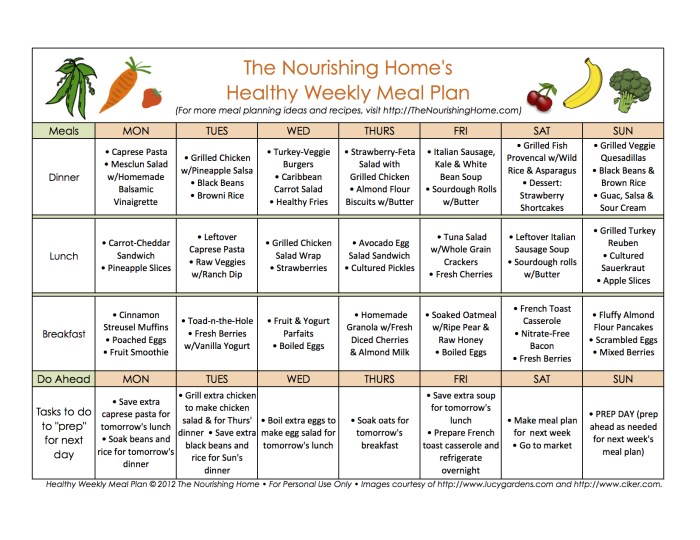
Proper nutrition goes beyond simply eating food; it involves consuming a well-balanced diet that provides the necessary nutrients for optimal health and well-being. This means focusing on quality and variety in your meals to ensure you are getting the right balance of vitamins, minerals, proteins, carbohydrates, fats, and other essential nutrients your body needs to function properly.
Common Nutrient Deficiencies and Meal Planning
- Iron deficiency: Include lean meats, beans, leafy greens, and fortified cereals in your meal plan to address low iron levels. Pairing iron-rich foods with sources of vitamin C can also help with absorption.
- Vitamin D deficiency: Incorporate fatty fish, fortified dairy products, and sunlight exposure into your routine to boost vitamin D levels. Consider a supplement if necessary, especially in areas with limited sunlight.
- Vitamin B12 deficiency: Include animal products, fortified cereals, and nutritional yeast in your meals to ensure an adequate intake of vitamin B12. Consider a supplement if you follow a vegetarian or vegan diet.
Benefits of Prioritizing Proper Nutrition
- Improved overall health: Proper nutrition can reduce the risk of chronic diseases such as heart disease, diabetes, and certain cancers.
- Enhanced energy levels: A well-balanced diet provides the fuel your body needs to function optimally, leading to increased energy and productivity.
- Healthy weight management: Eating nutrient-rich foods in appropriate portions can help you maintain a healthy weight and prevent obesity-related issues.
- Strong immune system: Proper nutrition supports a robust immune system, reducing the likelihood of infections and illnesses.
Quality Sleep
Quality sleep is essential for overall health and well-being. The connection between a nutrient-rich meal plan and quality sleep is significant, as certain foods can promote better sleep and relaxation. By incorporating specific ingredients into your evening meals, you can support restful sleep and improve your overall sleep quality.
Foods that Promote Better Sleep and Relaxation
- Incorporate foods rich in tryptophan, such as turkey, chicken, nuts, and seeds, into your evening meals. Tryptophan is an amino acid that helps in the production of serotonin, a neurotransmitter that promotes relaxation and sleep.
- Foods high in magnesium, such as spinach, almonds, and whole grains, can also aid in relaxation and improve sleep quality. Magnesium helps regulate neurotransmitters involved in sleep and relaxation.
- Include complex carbohydrates like whole grains, sweet potatoes, and legumes in your dinner to promote the release of serotonin, which can help you unwind and prepare for a restful night’s sleep.
- Herbal teas like chamomile, valerian root, and lavender can be soothing and calming before bedtime, promoting relaxation and better sleep.
Tips for Creating Evening Meals that Support Restful Sleep
- Avoid heavy, spicy, or fatty foods close to bedtime, as they can disrupt your sleep and cause discomfort. Opt for lighter meals that are easy to digest.
- Try to eat your evening meal at least 2-3 hours before bedtime to allow for proper digestion and prevent indigestion or heartburn that can interfere with sleep.
- Limit caffeine and alcohol intake in the evening, as they can disrupt your sleep patterns and prevent you from falling into a deep, restorative sleep.
- Incorporate a balance of protein, healthy fats, and complex carbohydrates into your evening meals to promote stable blood sugar levels throughout the night and prevent disruptions in your sleep cycle.
Cardio Health
Eating a balanced and nutrient-rich meal plan can have a positive impact on cardiovascular health by providing essential nutrients that support a healthy heart and reduce the risk of heart disease.
Foods for Heart Health
- Salmon: Rich in omega-3 fatty acids, which can help reduce inflammation and lower the risk of heart disease.
- Avocado: Contains monounsaturated fats that are beneficial for heart health and can help lower bad cholesterol levels.
- Berries: Packed with antioxidants and fiber, which can help reduce the risk of heart disease and improve heart health.
- Walnuts: High in omega-3 fatty acids and antioxidants, which can help improve heart health and reduce inflammation.
Meal Ideas Rich in Heart-Healthy Nutrients
- Grilled salmon with a side of quinoa and steamed vegetables.
- Avocado and berry smoothie with a handful of walnuts for a heart-healthy snack.
- Mixed greens salad with grilled chicken, avocado, and berries topped with a balsamic vinaigrette dressing.
Immune Boost
A nutrient-rich meal plan is essential for strengthening the immune system, as it provides the body with the necessary vitamins, minerals, and antioxidants needed to fight off infections and illnesses. By incorporating a variety of nutrient-dense foods into your diet, you can help support your immune function and overall health.
Key Nutrients for Immune Function
- Vitamin C: Known for its role in supporting the immune system and reducing the duration of colds.
- Vitamin D: Helps regulate immune responses and reduce the risk of respiratory infections.
- Zinc: Important for immune cell function and wound healing.
- Probiotics: Support gut health, which is closely linked to immune function.
- Omega-3 fatty acids: Have anti-inflammatory properties that can help boost immunity.
Diet, Immunity, and Health
A well-rounded diet not only supports a strong immune system but also contributes to overall health and well-being. Consuming a variety of fruits, vegetables, whole grains, lean proteins, and healthy fats can help provide the nutrients needed to keep your immune system functioning optimally.
Additionally, staying hydrated, getting regular exercise, managing stress, and getting quality sleep are all important factors in maintaining a healthy immune system.
Positive Mindset
Maintaining a positive mindset is crucial for overall well-being, and a nutrient-rich meal plan can significantly contribute to this aspect of mental health. The foods we eat play a vital role in regulating mood, energy levels, and cognitive function. By choosing healthy, nutrient-dense foods, we can support our mental well-being and cultivate a positive relationship with food and body image.
Foods that Improve Mood and Mental Well-being
- Omega-3 fatty acids: Found in fatty fish, flaxseeds, and walnuts, omega-3s are essential for brain health and have been linked to improved mood and cognitive function.
- Dark leafy greens: Spinach, kale, and Swiss chard are rich in folate, which is important for serotonin regulation and can help boost mood.
- Probiotic-rich foods: Fermented foods like yogurt, kefir, and sauerkraut support a healthy gut microbiome, which is linked to improved mental health.
- Whole grains: Foods like brown rice, quinoa, and oats provide steady energy levels and can help stabilize mood swings.
Tips for Maintaining a Positive Relationship with Food and Body Image
- Avoid labeling foods as “good” or “bad” and instead focus on balance and moderation.
- Practice mindful eating by paying attention to hunger cues and enjoying your meals without distractions.
- Celebrate your body’s abilities and focus on nourishing it with wholesome foods that make you feel good.
- Seek professional help if you’re struggling with disordered eating patterns or negative body image issues.
Clean Eating
Clean eating is a dietary approach that emphasizes consuming whole, unprocessed foods in their natural state. This involves avoiding processed and refined foods, such as sugary snacks, fast food, and ready-to-eat meals, in favor of nutrient-dense options that are rich in vitamins, minerals, and antioxidants.
Tips for Clean Eating
- Avoid packaged and processed foods that are high in added sugars, unhealthy fats, and artificial ingredients. Opt for fresh fruits, vegetables, whole grains, lean proteins, and healthy fats instead.
- Read ingredient labels carefully and choose products with minimal additives and preservatives. Look for foods with recognizable ingredients and avoid those with long lists of unknown chemicals.
- Cook meals at home using whole ingredients to have full control over what goes into your food. This allows you to limit salt, sugar, and unhealthy fats while maximizing the nutritional value of your meals.
- Focus on incorporating a variety of colorful fruits and vegetables into your diet to ensure you are getting a wide range of vitamins, minerals, and phytonutrients that support overall health and well-being.
- Stay hydrated by drinking plenty of water throughout the day and limit sugary beverages like soda, energy drinks, and fruit juices. Water helps flush out toxins from your body and supports digestion and nutrient absorption.
Benefits of Clean Eating
- Improved digestion and nutrient absorption due to the high fiber content of whole foods.
- Weight management and reduced risk of obesity and related health conditions by avoiding processed foods high in empty calories.
- Increased energy levels and better focus by fueling your body with nutritious foods that support optimal brain function.
- Enhanced immune function and reduced inflammation thanks to the anti-inflammatory properties of whole, unprocessed ingredients.
- Reduced risk of chronic diseases such as heart disease, diabetes, and certain types of cancer by following a clean eating lifestyle that prioritizes nutrient-rich foods.
Daily Activity
Eating a nutrient-rich meal plan is essential for supporting daily physical activity. The right balance of nutrients can provide the energy needed to fuel your body throughout the day, helping you stay active and perform at your best.
Meals for an Active Lifestyle
- Breakfast: A balanced meal with whole grains, protein, and fruits can kickstart your day and provide sustained energy.
- Lunch: Incorporate lean proteins, healthy fats, and a variety of colorful vegetables to keep you energized and focused.
- Snacks: Opt for nutrient-dense options like nuts, seeds, yogurt, or whole fruits to maintain energy levels between meals.
- Dinner: Include a mix of lean proteins, complex carbohydrates, and vegetables to support muscle recovery and repair after physical activity.
Importance of Balanced Nutrition for Energy
Balanced nutrition is crucial for sustaining energy levels throughout the day. By including a variety of nutrients in your meals, you can optimize your energy production and consumption, helping you stay active and alert. Adequate intake of carbohydrates, proteins, healthy fats, vitamins, and minerals is key to maintaining a steady energy supply for daily activities.
Holistic Health
Eating a nutrient-rich meal plan is essential for achieving holistic health, as it nourishes the body, mind, and soul. The food we consume not only affects our physical well-being but also plays a crucial role in our mental and emotional health.
Incorporating Mindfulness into Meal Planning and Eating Habits
- Start by being present while preparing your meals, focusing on the ingredients and cooking process.
- Avoid distractions such as watching TV or using electronic devices while eating to fully enjoy and appreciate your food.
- Practice mindful eating by chewing slowly, savoring each bite, and listening to your body’s hunger and fullness cues.
- Acknowledge the flavors, textures, and nutrients in your meals to develop a deeper connection with the food you consume.
Interconnectedness of Physical, Mental, and Emotional Well-being through Nutrition
Nutrition plays a vital role in connecting our physical, mental, and emotional well-being. A nutrient-rich meal plan can:
- Provide the necessary nutrients to support brain function and cognitive health, influencing our mood and mental clarity.
- Help regulate blood sugar levels, which can impact energy levels, concentration, and emotional stability.
- Sustain overall physical health, leading to increased vitality, reduced stress, and improved emotional resilience.
- Promote a healthy gut microbiome, which is linked to mental health and emotional well-being through the gut-brain axis.
Mindful Living
Mindful living is the practice of being fully present and engaged in the current moment, without judgment. When it comes to creating a nutrient-rich meal plan, being mindful plays a crucial role in helping you make healthier choices and appreciate the food you consume.
Practices for Mindful Eating
Practicing mindful eating involves paying full attention to the sensory experience of eating, such as the taste, texture, and aroma of the food. Some practices to incorporate mindful eating into your meal plan include:
- Avoiding distractions like electronic devices while eating.
- Eating slowly and savoring each bite.
- Listening to your body’s hunger and fullness cues.
- Expressing gratitude for the nourishment provided by the food.
Mental and Emotional Benefits
Being present during meal times and practicing mindful eating can have several mental and emotional benefits, such as:
- Reduced stress and anxiety levels.
- Improved digestion and nutrient absorption.
- Enhanced appreciation for food and its source.
- Increased satisfaction and enjoyment of meals.
Emotional Balance
Eating a balanced and nutrient-rich meal plan can have a significant impact on emotional well-being. When we nourish our bodies with the right nutrients, we provide the essential building blocks for proper brain function and hormone regulation, which are crucial for maintaining emotional balance.
Foods for Mood-Regulating Properties
Eating certain foods can help regulate mood and promote emotional balance. Some examples include:
- Fatty fish rich in omega-3 fatty acids, such as salmon and mackerel, can help reduce symptoms of depression and anxiety.
- Dark leafy greens like spinach and kale are high in folate, which is important for the production of dopamine and serotonin, neurotransmitters that regulate mood.
- Probiotic-rich foods like yogurt and kefir can support gut health, which is linked to improved mood and mental health.
- Nuts and seeds, such as almonds and pumpkin seeds, are rich in magnesium, a mineral that plays a role in mood regulation.
Importance of Nourishing the Body for Emotional Well-being
Ensuring that our bodies are properly nourished with a nutrient-rich meal plan is essential for emotional well-being. Nutrients like omega-3 fatty acids, vitamins, minerals, and antioxidants all play a role in supporting brain health and regulating mood. By prioritizing a diet rich in these nutrients, we can better manage stress, anxiety, and other emotional challenges that may arise.
Health Education
Health education plays a crucial role in creating a nutrient-rich meal plan by providing individuals with the knowledge and skills needed to make informed choices about their diet. By understanding the importance of different nutrients, portion sizes, and meal timing, people can better plan and prepare meals that meet their nutritional needs.
Resources for Learning
There are various resources available for learning about nutrition and meal planning, ranging from online courses to books and podcasts. Some reputable sources include:
- Academic institutions offering courses in nutrition and dietetics
- Registered dietitians and nutritionists who provide personalized guidance
- Government websites such as ChooseMyPlate.gov for dietary guidelines
- Health and wellness magazines that feature articles on nutrition
Staying Informed
Staying informed about current health trends and research is essential for maintaining a nutrient-rich meal plan. Here are some tips to help you stay up-to-date:
- Follow reputable health websites and blogs for the latest information
- Subscribe to newsletters from nutrition experts and organizations
- Attend webinars or seminars on nutrition and wellness topics
- Engage in discussions with healthcare professionals to gain insights
Self-Care
Self-care is essential for maintaining overall well-being, and meal planning can be a powerful form of self-care. By taking the time to plan nutritious meals for the week, you are not only nourishing your body but also showing yourself love and care.
Prioritizing Self-Care through Healthy Eating Habits
- Set aside time each week to plan your meals, taking into consideration your nutritional needs and preferences.
- Include a variety of fruits, vegetables, whole grains, lean proteins, and healthy fats in your meal plan to ensure you are getting a balanced diet.
- Prepare meals in advance to avoid unhealthy food choices when you are busy or stressed.
- List out healthy snack options to have on hand when cravings strike, helping you stay on track with your nutrition goals.
Link between Self-Care, Nutrition, and Overall Well-Being
Proper nutrition plays a crucial role in self-care as it provides the necessary nutrients for your body to function optimally. When you prioritize healthy eating habits, you are not only fueling your body but also supporting your mental and emotional well-being.
Remember, self-care is not just about pampering yourself but also about nourishing your body and mind with the right foods to thrive.
Chronic Disease
Maintaining a nutrient-rich meal plan plays a crucial role in preventing chronic diseases. A well-balanced diet can significantly impact conditions like diabetes, heart disease, and obesity. By choosing the right foods and nutrients, individuals can reduce their risk of developing these long-term health issues.
Impact of Diet on Chronic Diseases
- Diabetes: Consuming a diet rich in whole grains, lean proteins, fruits, and vegetables can help manage blood sugar levels and prevent complications associated with diabetes.
- Heart Disease: Limiting saturated fats, trans fats, and sodium while increasing intake of omega-3 fatty acids, fiber, and antioxidants can support heart health and reduce the risk of cardiovascular issues.
- Obesity: Following a nutrient-dense meal plan that focuses on portion control, balanced macronutrients, and regular physical activity can aid in weight management and prevent obesity-related health conditions.
Tips for Promoting Longevity and Disease Prevention
- Include a variety of colorful fruits and vegetables in your meals to ensure a wide range of vitamins, minerals, and antioxidants.
- Prioritize lean proteins, whole grains, healthy fats, and low-fat dairy to support overall health and well-being.
- Avoid processed foods, sugary beverages, and excessive salt to reduce the risk of chronic diseases and maintain a healthy weight.
- Stay hydrated by drinking an adequate amount of water throughout the day to support digestion, metabolism, and overall health.
- Plan and prepare meals in advance to ensure you have nutritious options readily available, making it easier to stick to a healthful eating plan.
Wrap-Up
Elevate your meal planning skills and transform your lifestyle with the power of nutrient-rich choices for a healthier, happier you.
Question & Answer Hub
How can I ensure my meal plan is truly nutrient-rich?
To create a nutrient-rich meal plan, focus on incorporating a variety of whole foods rich in essential nutrients like fruits, vegetables, lean proteins, whole grains, and healthy fats.
Is it necessary to count calories when creating a nutrient-rich meal plan?
While calorie counting can be helpful for some, the focus should primarily be on the quality of the nutrients you’re consuming rather than strict calorie restrictions.
Can I personalize my nutrient-rich meal plan based on dietary restrictions or preferences?
Absolutely! You can tailor your meal plan to accommodate dietary needs, preferences, or restrictions by substituting ingredients and adjusting recipes accordingly.


