
How to start clean eating for beginners: A guide to kickstart your healthy journey introduces you to the world of clean eating, offering insights into its benefits and practical tips for beginners. Dive into this article to discover a new way of nourishing your body and mind.
Clean eating is not just a diet; it’s a lifestyle that prioritizes whole, unprocessed foods. As you embark on this journey, you’ll learn how to make mindful food choices, plan nutritious meals, and embrace a healthier way of living. Let’s explore the essentials of clean eating together.
Introduction to Clean Eating
Clean eating is a lifestyle choice that focuses on consuming whole, minimally processed foods to nourish your body and improve your overall health. By avoiding processed foods high in added sugars, unhealthy fats, and artificial ingredients, clean eating can lead to numerous benefits for beginners looking to kickstart a healthier lifestyle.
Benefits of Clean Eating
- Increased energy levels and improved focus throughout the day
- Weight management and potential weight loss
- Enhanced digestion and gut health
- Stronger immune system and reduced risk of chronic diseases
Importance of Clean Eating for Overall Health
Clean eating plays a crucial role in promoting overall health and wellness by providing your body with essential nutrients it needs to function optimally. By choosing nutrient-rich foods over processed options, you can support your body’s natural detoxification processes, improve your metabolism, and maintain a healthy weight.
Examples of Nutrient-Rich Foods in a Clean Eating Diet
- Fresh fruits and vegetables
- Whole grains like quinoa, brown rice, and oats
- Lean proteins such as chicken, fish, tofu, and legumes
- Healthy fats like avocados, nuts, and seeds
- Dairy or plant-based alternatives like yogurt and milk
Getting Started with Clean Eating
Transitioning to a clean eating lifestyle can be a gradual process that allows your body to adjust to healthier choices. Here are some tips to help you get started:
Significance of Meal Planning and Preparation
Meal planning and preparation are key aspects of clean eating. By planning your meals ahead of time, you can ensure that you have nutritious options available and avoid the temptation of unhealthy fast food or processed snacks.
Here are some benefits of meal planning and preparation for clean eating:
- Helps you make healthier choices
- Reduces food waste
- Saves time and money
- Allows you to control portion sizes
Easy and Healthy Recipes for Beginners
Trying out new recipes is a great way to explore clean eating. Here are some simple and delicious recipes suitable for beginners:
| Recipe | Ingredients | Instructions |
|---|---|---|
| Quinoa Salad | Quinoa, cherry tomatoes, cucumber, feta cheese, olive oil, lemon juice, salt, pepper | 1. Cook quinoa according to package instructions. 2. Chop tomatoes and cucumber. 3. Combine all ingredients in a bowl and mix well. 4. Drizzle with olive oil and lemon juice. 5. Season with salt and pepper. |
| Vegetable Stir-Fry | Assorted vegetables (bell peppers, broccoli, carrots, snap peas), tofu or chicken, soy sauce, garlic, ginger, sesame oil | 1. Cut vegetables and protein of choice into bite-sized pieces. 2. Heat a pan with sesame oil. 3. Add garlic and ginger, then vegetables and protein. 4. Stir in soy sauce. 5. Cook until vegetables are tender. |
Building a Balanced Diet
Eating a balanced diet is essential for overall health and well-being, especially when following clean eating principles. A balanced diet involves consuming a variety of foods from different food groups to ensure you are getting all the necessary nutrients your body needs.
Importance of Incorporating Various Food Groups
A balanced diet that includes a variety of food groups is crucial for optimal nutrition. Each food group provides different essential nutrients that your body requires to function properly. By incorporating a variety of foods, you can ensure you are getting a wide range of vitamins, minerals, and macronutrients to support your overall health.
- Vegetables: Include a variety of colorful vegetables in your meals to get a wide range of vitamins, minerals, and antioxidants. Aim to fill half your plate with vegetables at each meal.
- Fruits: Incorporate a variety of fruits into your diet to get a range of vitamins, fiber, and natural sugars. Enjoy fruits as snacks or as part of your meals.
- Proteins: Include lean sources of protein such as chicken, fish, tofu, beans, or lentils to support muscle growth and repair. Protein is essential for overall health and satiety.
- Whole Grains: Choose whole grains like quinoa, brown rice, oats, or whole wheat bread to provide fiber, vitamins, and minerals. Whole grains can help keep you full and provide sustained energy.
- Healthy Fats: Incorporate sources of healthy fats like avocados, nuts, seeds, and olive oil into your meals. Healthy fats are essential for brain health, hormone production, and nutrient absorption.
- Dairy or Dairy Alternatives: Include dairy products or fortified dairy alternatives like almond milk or soy yogurt to get calcium, vitamin D, and protein for bone health.
Examples of Balanced Meals
Here are some examples of balanced meals that align with clean eating principles:
- Grilled chicken breast with quinoa, roasted vegetables, and a side salad.
- Baked salmon with sweet potato, steamed broccoli, and a mixed berry salad.
- Lentil soup with whole grain bread, a spinach and kale salad, and a serving of Greek yogurt with berries.
Mental Wellness and Clean Eating
Clean eating not only benefits physical health but also plays a crucial role in mental wellness and emotional balance. The connection between food choices and mood regulation is significant, highlighting the importance of incorporating mindfulness into mealtime for overall well-being.
Incorporating Mindfulness into Mealtime
Practicing mindfulness during meals can enhance the connection between body and mind, leading to improved mental wellness. Here are some tips to incorporate mindfulness into your eating habits:
- Avoid distractions such as electronic devices and focus on the sensory experience of eating.
- Take time to appreciate the flavors, textures, and aromas of your food.
- Eat slowly and chew your food thoroughly, allowing your body to properly digest and absorb nutrients.
- Express gratitude for the nourishment your meal provides.
Food Choices and Mood Regulation
The food we consume can have a direct impact on our mood and emotional well-being. By making clean and nutritious food choices, we can support a more stable mood and emotional balance. Here are some key points to consider:
- Include whole foods such as fruits, vegetables, whole grains, and lean proteins in your diet to provide essential nutrients for optimal brain function.
- Avoid processed foods high in added sugars and unhealthy fats, as they can lead to mood swings and energy crashes.
- Stay hydrated by drinking an adequate amount of water throughout the day, as dehydration can also affect mood and cognitive function.
- Incorporate foods rich in omega-3 fatty acids, such as salmon, walnuts, and flaxseeds, which are known to support brain health and mood regulation.
Physical Fitness and Clean Eating
Eating clean and physical fitness go hand in hand when it comes to leading a healthy lifestyle. The food you consume plays a crucial role in supporting your physical activity levels and overall fitness goals.
Role of Nutrition in Supporting Physical Activity
Nutrition is key in fueling your body for physical activity and exercise. Eating the right balance of macronutrients like carbohydrates, proteins, and fats can provide you with the energy needed to perform well during workouts. Additionally, vitamins, minerals, and antioxidants from fruits and vegetables can help with muscle recovery and overall well-being.
- Ensure you are consuming an adequate amount of carbohydrates before workouts to provide your body with quick energy.
- Incorporate lean proteins like chicken, fish, tofu, or legumes to support muscle repair and growth.
- Include healthy fats from sources like avocados, nuts, and seeds for sustained energy and hormone regulation.
- Stay hydrated by drinking enough water before, during, and after your workouts to optimize performance and recovery.
Adequate Hydration and Clean Eating
Proper hydration is an essential component of clean eating as it plays a crucial role in maintaining overall health and well-being. When combined with a clean eating diet, adequate hydration can enhance the body’s ability to function optimally and support various bodily processes.
Incorporating Hydrating Foods and Beverages
One way to ensure adequate hydration while following a clean eating regimen is to incorporate hydrating foods and beverages into your daily meals. These can include:
- Eating water-rich fruits and vegetables such as cucumbers, watermelon, oranges, and tomatoes.
- Drinking plenty of water throughout the day to stay hydrated and support digestion.
- Opting for herbal teas, coconut water, and homemade fruit-infused water as refreshing and hydrating alternatives to sugary drinks.
Importance of Proper Hydration for Health
Proper hydration not only helps in maintaining the body’s fluid balance but also supports various bodily functions, including:
- Regulating body temperature and preventing dehydration.
- Supporting digestion and nutrient absorption.
- Promoting cardiovascular health and kidney function.
Remember, staying adequately hydrated is key to overall health and well-being, especially when following a clean eating lifestyle.
Regular Exercise in Clean Eating
Regular exercise plays a crucial role in a clean eating lifestyle, complementing the efforts put into maintaining a balanced diet. Physical activity not only helps in burning calories but also improves overall health and well-being. Let’s delve into the significance of regular exercise in clean eating for beginners.
Benefits of Regular Exercise
Regular exercise helps in boosting metabolism, increasing energy levels, and promoting better sleep patterns. It also aids in reducing stress and anxiety, which are common barriers to sticking to a healthy eating plan. By incorporating physical activity into your routine, you can enhance the effectiveness of clean eating and achieve your fitness goals more efficiently.
- Improves cardiovascular health and endurance
- Builds strength and muscle tone
- Enhances flexibility and mobility
- Boosts mood and mental clarity
Examples of Exercise Routines
There are various types of exercise routines that complement clean eating habits, such as cardio, strength training, yoga, and HIIT workouts. It’s essential to find a workout routine that suits your preferences and fitness level to stay consistent and motivated.
Here are some examples of exercise routines that beginners can incorporate into their clean eating lifestyle:
- 30-minute brisk walk or jog in the morning
- Bodyweight exercises like squats, lunges, and push-ups
- Yoga session for relaxation and flexibility
- Interval training combining high-intensity bursts with rest periods
Contribution of Physical Activity
Physical activity contributes to the effectiveness of clean eating by promoting calorie expenditure, muscle building, and overall health improvement. When combined with a nutritious diet, regular exercise helps in achieving weight loss, increasing metabolism, and maintaining a healthy body composition.
By engaging in consistent physical activity, beginners can enhance their clean eating journey and reap the benefits of a healthier lifestyle.
Healthy Lifestyle Choices
When it comes to clean eating, incorporating other healthy lifestyle choices can further enhance your overall well-being. By adopting a holistic approach to health through lifestyle changes, you can maximize the benefits of clean eating and promote a healthier lifestyle.
Regular Sleep Patterns
Getting an adequate amount of sleep each night is crucial for overall health and well-being. Lack of sleep can lead to weight gain, decreased cognitive function, and a weakened immune system. Aim for 7-9 hours of quality sleep every night to support your clean eating efforts.
Stress Management Techniques
Chronic stress can have a negative impact on both physical and mental health. Incorporating stress management techniques such as meditation, yoga, deep breathing exercises, or mindfulness practices can help reduce stress levels and improve overall well-being.
Regular Physical Activity
Alongside clean eating, regular physical activity is essential for maintaining a healthy lifestyle. Aim for at least 150 minutes of moderate-intensity exercise per week, such as brisk walking, cycling, or strength training, to support your clean eating goals and overall health.
Social Connections
Building and maintaining strong social connections can have a positive impact on your health and well-being. Surround yourself with supportive friends and family members, join community groups or clubs, and engage in social activities to promote a sense of belonging and overall happiness.
Stress Management Techniques
Stress management is crucial when it comes to maintaining a healthy clean eating routine. High levels of stress can lead to poor food choices and disrupt your eating habits. By incorporating stress-relieving activities into your daily routine, you can support your clean eating goals and overall well-being.
Mindful Eating
One effective stress management technique is mindful eating. Take the time to savor and enjoy each bite of your meals. Pay attention to the flavors, textures, and sensations of the food. This practice can help you stay present in the moment and prevent stress-induced overeating.
Regular Exercise
Engaging in regular physical activity is another great way to manage stress. Exercise releases endorphins, which are known as “feel-good” hormones that can help reduce feelings of stress and anxiety. Incorporate activities like yoga, running, or swimming into your routine to promote mental well-being.
Mindfulness Meditation
Practicing mindfulness meditation can also be beneficial for managing stress. Take a few minutes each day to sit quietly, focus on your breath, and let go of any racing thoughts. This practice can help calm your mind, reduce stress levels, and improve your overall mood.
Preventive Care and Clean Eating
Eating clean not only benefits your physical health but also plays a significant role in preventive care and overall wellness. By focusing on whole, unprocessed foods, you can reduce the risk of developing chronic diseases and maintain a healthy lifestyle.
Nutrient-Rich Foods for Preventive Care
- Include a variety of colorful fruits and vegetables in your diet to boost your intake of vitamins, minerals, and antioxidants.
- Opt for lean proteins such as poultry, fish, and plant-based sources like beans and legumes to support muscle health and overall well-being.
- Incorporate whole grains like quinoa, brown rice, and oats to provide fiber and essential nutrients for digestive health.
Importance of Balanced Nutrition for Preventive Health
- Ensure you are getting a balance of macronutrients – carbohydrates, proteins, and fats – to support energy levels and proper bodily functions.
- Limit processed foods, added sugars, and unhealthy fats to reduce the risk of obesity, heart disease, and other chronic conditions.
- Stay hydrated by drinking an adequate amount of water daily to support digestion, nutrient absorption, and overall health.
Role of Clean Eating in Disease Prevention
- Avoiding excessive consumption of processed foods and sugary beverages can help lower the risk of diabetes and metabolic disorders.
- Choosing whole, nutrient-dense foods can reduce inflammation in the body and lower the likelihood of developing conditions like arthritis and autoimmune diseases.
- By following a clean eating lifestyle, you can support your immune system, improve your gut health, and decrease the chances of developing chronic illnesses in the long run.
Proper Nutrition and Clean Eating
Proper nutrition plays a vital role in clean eating for beginners as it provides the essential nutrients needed for overall health and well-being. By focusing on nutrient-dense foods, individuals can fuel their bodies with the necessary components for optimal functioning.
Key Nutrients for Clean Eating
- Protein: Sources include lean meats, poultry, fish, tofu, legumes, and nuts.
- Carbohydrates: Opt for whole grains, fruits, vegetables, and legumes for a steady source of energy.
- Fats: Choose healthy fats like avocados, nuts, seeds, and olive oil for heart health.
- Vitamins and Minerals: Incorporate a variety of colorful fruits and vegetables to ensure you’re getting a range of essential vitamins and minerals.
- Fiber: Whole grains, fruits, vegetables, and legumes are excellent sources of fiber for digestive health.
- Hydration: Water is essential for proper hydration and overall health.
It’s important to include a variety of nutrient-rich foods in your diet to meet your body’s needs and support your clean eating lifestyle. Be mindful of portion sizes and aim for balance in each meal to ensure you’re getting a well-rounded mix of nutrients.
Tips for Ensuring Adequate Nutrition, How to start clean eating for beginners
- Plan your meals ahead of time to ensure you have a good mix of proteins, carbohydrates, and fats.
- Include a rainbow of fruits and vegetables in your meals to get a wide range of vitamins and minerals.
- Read food labels to understand the nutritional content of packaged foods and make informed choices.
- Avoid processed foods and focus on whole, unprocessed foods to maximize nutrient intake.
- Listen to your body’s hunger and fullness cues to prevent overeating and ensure you’re eating when truly hungry.
Quality Sleep and Clean Eating
Quality sleep plays a crucial role in supporting clean eating habits and overall wellness. When we get enough rest, our bodies are better equipped to benefit from the nutrients we consume through clean eating practices. Here are some tips on how to improve sleep quality through clean eating habits:
1. Avoid Heavy Meals Before Bed
- Avoid consuming heavy or large meals close to bedtime, as this can disrupt sleep patterns and digestion.
- Opt for light, easily digestible foods in the evening to promote better sleep quality.
2. Incorporate Sleep-Inducing Nutrients
- Include foods rich in tryptophan, magnesium, and melatonin in your diet to promote relaxation and improve sleep quality.
- Foods like bananas, almonds, and cherries can help regulate sleep-wake cycles and promote restful sleep.
3. Limit Caffeine and Sugar Intake
- Avoid consuming caffeine and sugary foods close to bedtime, as they can interfere with your ability to fall asleep and stay asleep.
- Opt for herbal teas or decaffeinated beverages in the evening to support a restful night’s sleep.
4. Establish a Bedtime Routine
- Create a relaxing bedtime routine to signal to your body that it’s time to wind down and prepare for sleep.
- Include activities like reading, gentle stretching, or meditation to promote relaxation and improve sleep quality.
5. Stay Hydrated Throughout the Day
- Drink an adequate amount of water throughout the day to stay hydrated, which can support overall bodily functions, including sleep quality.
- Avoid consuming large amounts of fluids close to bedtime to prevent disruptions during the night.
Cardiovascular Health and Clean Eating
Eating clean not only helps you maintain a healthy weight but also plays a crucial role in promoting cardiovascular health. By making mindful food choices, you can positively impact your heart health and reduce the risk of heart diseases.
Nutrition and Heart Health
Proper nutrition is essential for maintaining a healthy heart. Clean eating focuses on consuming whole, nutrient-dense foods that are beneficial for cardiovascular health. Foods rich in fiber, antioxidants, and healthy fats can help lower cholesterol levels, reduce inflammation, and support overall heart function.
- Include plenty of fruits and vegetables in your diet as they are packed with vitamins, minerals, and antioxidants that support heart health.
- Opt for whole grains like quinoa, brown rice, and oats, which are high in fiber and can help lower cholesterol levels.
- Include sources of omega-3 fatty acids, such as fatty fish like salmon, chia seeds, and walnuts, which have been shown to reduce the risk of heart disease.
- Limit processed foods, added sugars, and unhealthy fats, as they can contribute to inflammation and increase the risk of heart diseases.
Heart-Healthy Foods in Clean Eating
Incorporating heart-healthy foods into your clean eating diet can further enhance the benefits for your cardiovascular health. These foods are nutrient-rich and provide essential vitamins and minerals that support a healthy heart.
- Leafy greens like spinach and kale are excellent sources of vitamins A, C, and K, as well as fiber and antioxidants that promote heart health.
- Berries, such as blueberries, strawberries, and raspberries, are packed with antioxidants that help reduce inflammation and support heart function.
- Nuts like almonds, walnuts, and pistachios are rich in healthy fats, fiber, and antioxidants that can help lower cholesterol and improve heart health.
- Legumes like beans, lentils, and chickpeas are high in fiber, protein, and nutrients that support heart health and help maintain healthy blood sugar levels.
Immune Boosting Foods in Clean Eating: How To Start Clean Eating For Beginners
Eating a clean diet rich in immune-boosting foods is essential for supporting overall health and well-being. By incorporating specific foods into your meals, you can strengthen your immune system and enhance your body’s ability to fight off illnesses.
Top Immune-Boosting Foods
- Citrus Fruits: Oranges, grapefruits, lemons, and limes are high in vitamin C, which is known for its immune-boosting properties.
- Berries: Blueberries, strawberries, and raspberries are packed with antioxidants that help protect cells from damage.
- Garlic: Garlic contains allicin, a compound that has been shown to boost the immune system and reduce the severity of colds.
- Ginger: Ginger has anti-inflammatory and antioxidant properties that can help support immune function.
- Spinach: This leafy green is rich in vitamins and minerals, including vitamin C, vitamin E, and beta-carotene, all of which are important for immune health.
Recipes for Immune Health
- Immune-Boosting Smoothie: Blend together spinach, berries, Greek yogurt, and a splash of orange juice for a delicious and nutritious immune-boosting drink.
- Garlic Roasted Chicken: Marinate chicken breasts in a mixture of garlic, olive oil, and herbs before roasting for a flavorful and immune-boosting meal.
- Ginger Turmeric Tea: Boil water with fresh ginger and turmeric root to create a soothing and immune-boosting tea that can be enjoyed hot or cold.
Positive Mindset and Clean Eating
Maintaining a positive mindset is crucial when transitioning to a clean eating lifestyle. Your attitude towards food plays a significant role in your overall health and well-being.
Connection between Positive Mindset and Clean Eating
- A positive mindset can help you approach clean eating with enthusiasm and motivation.
- It can lead to better food choices and a more mindful eating experience.
- Positive thinking can reduce stress levels and emotional eating tendencies.
Benefits of a Positive Attitude in Clean Eating
- Improved digestion and nutrient absorption due to a relaxed state while eating.
- Enhanced satisfaction and enjoyment from meals, leading to better adherence to a clean eating plan.
- Increased energy levels and overall sense of well-being.
Tips for Cultivating a Positive Mindset in Clean Eating
- Practice gratitude for the nourishing food you have access to.
- Affirmations can help reframe your thoughts about food and eating habits.
- Engage in mindful eating practices to savor the flavors and textures of your meals.
- Surround yourself with a supportive community that shares your clean eating goals.
Incorporating Daily Activity
Regular physical activity is a crucial component of a healthy lifestyle, working hand in hand with clean eating to promote overall well-being. By incorporating daily activity into your routine, you can enhance the benefits of clean eating and improve your physical and mental health.
Simple Ways to Incorporate Physical Movement
- Take a brisk walk during your lunch break or after dinner.
- Use the stairs instead of the elevator whenever possible.
- Engage in household chores like cleaning, gardening, or organizing to stay active.
- Join a fitness class or group workout to make exercise more enjoyable and social.
How Daily Activity Complements Clean Eating
Regular physical activity helps to boost your metabolism, burn calories, and build muscle – all of which support your clean eating goals. Exercise also helps to reduce stress, improve mood, and increase energy levels, making it easier to stick to a healthy diet.
Holistic Health Approach
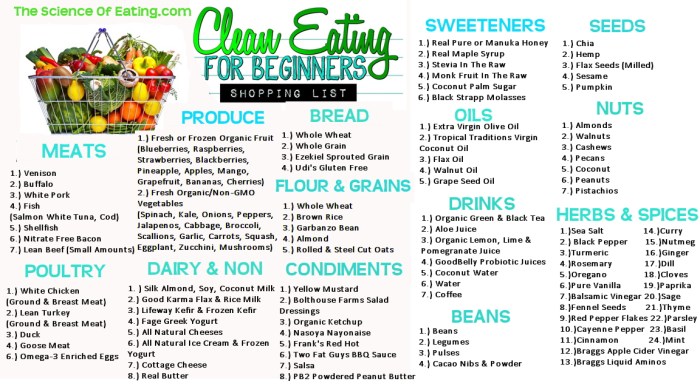
When it comes to clean eating, adopting a holistic health approach is essential for overall well-being. This approach focuses on the interconnectedness of various aspects of health, including physical, mental, emotional, and spiritual well-being. By addressing these different facets of health, individuals can experience a more comprehensive and sustainable improvement in their overall health and quality of life.
Benefits of a Holistic Health Approach
- Enhanced Nutrition: Clean eating provides the foundation for a well-rounded and nutrient-dense diet, supporting optimal health and wellness.
- Improved Mental Clarity: By nourishing the body with wholesome foods, individuals can experience increased mental clarity and focus.
- Emotional Well-Being: Eating clean can help stabilize mood and reduce feelings of anxiety and stress, promoting emotional well-being.
- Physical Vitality: A holistic approach to health through clean eating can boost energy levels, improve physical strength, and support overall vitality.
Tips for Adopting a Holistic Health Approach
- Focus on Whole Foods: Incorporate a variety of whole, unprocessed foods into your diet to ensure you are getting a wide range of nutrients.
- Practice Mindful Eating: Pay attention to your body’s hunger and fullness cues, and savor each bite to enhance the eating experience.
- Stay Hydrated: Drink an adequate amount of water throughout the day to support digestion, nutrient absorption, and overall health.
- Engage in Physical Activity: Regular exercise is key to a holistic approach to health, complementing clean eating for optimal well-being.
Practicing Mindful Living
Mindful living is the practice of being fully present and engaged in the current moment, without judgment. When it comes to clean eating, mindfulness plays a crucial role in helping individuals develop a healthier relationship with food. By being mindful of what we eat, how we eat, and why we eat, we can make more conscious choices that support our overall well-being.
Incorporating Mindfulness into Daily Eating Habits
- Avoid distractions while eating, such as watching TV or scrolling through your phone. Focus on the flavors, textures, and smells of your food.
- Chew your food slowly and savor each bite. This allows your body to properly digest and absorb nutrients.
- Listen to your body’s hunger and fullness cues. Eat when you’re hungry and stop when you’re satisfied.
Benefits of Mindful Eating
- Helps prevent overeating and promotes weight management by increasing awareness of portion sizes.
- Improves digestion and nutrient absorption by allowing the body to properly process food.
- Enhances the enjoyment of meals and fosters a positive relationship with food.
Emotional Balance and Clean Eating
Eating clean not only benefits physical health but also plays a significant role in supporting emotional balance and overall well-being. The foods we consume can have a direct impact on our mood, energy levels, and emotional stability. By making mindful choices in our diet, we can effectively regulate our emotions and enhance our mental health.
Using Food for Emotional Regulation
Our food choices can impact our emotional state by influencing the production of neurotransmitters in the brain. Including foods rich in omega-3 fatty acids, antioxidants, and vitamins can help reduce inflammation, improve brain function, and stabilize mood. By incorporating a variety of nutrient-dense foods in our diet, we can promote emotional well-being and prevent mood swings.
Emotional Health and Clean Eating Choices
Clean eating involves consuming whole, unprocessed foods that provide essential nutrients for the body. By avoiding processed foods high in sugar, artificial additives, and unhealthy fats, we can maintain stable blood sugar levels and support brain health. Making conscious decisions to fuel our bodies with nourishing foods can positively impact our emotional health and contribute to a balanced mindset.
Health Education and Clean Eating
Health education plays a crucial role in understanding the principles of clean eating. By learning about nutrition and its impact on our bodies, individuals can make informed choices about the foods they consume.
Importance of Health Education in Clean Eating
- Health education provides knowledge about the nutrients our bodies need to function optimally.
- Understanding clean eating principles can help prevent chronic diseases and promote overall well-being.
- It empowers individuals to make conscious decisions about the foods they eat, leading to a healthier lifestyle.
Resources for Learning about Clean Eating
- Books and online articles by nutrition experts can provide in-depth information on clean eating.
- Attending workshops or seminars on nutrition and healthy eating habits can enhance knowledge in this area.
- Consulting with a registered dietitian can offer personalized guidance on incorporating clean eating into your daily routine.
Empowerment through Nutrition Knowledge
- Knowledge about nutrition enables individuals to decipher food labels and make healthier choices at the grocery store.
- Understanding the role of macronutrients and micronutrients can help in creating well-balanced meals that support overall health.
- By being informed about the benefits of clean eating, individuals can take control of their diet and make positive changes for their well-being.
Self-Care Practices
Self-care practices are essential for maintaining overall health and well-being, especially when following a clean eating lifestyle. Taking care of yourself physically, mentally, and emotionally is crucial for a balanced and healthy life. Here are some tips on incorporating self-care activities into your daily routine as a beginner.
Mindfulness and Meditation
Practicing mindfulness and meditation can help reduce stress, improve focus, and promote emotional well-being. Take a few minutes each day to sit quietly, focus on your breath, and be present in the moment. This simple practice can have a profound impact on your mental health and overall outlook on life.
Physical Activity and Exercise
Regular physical activity is not only good for your body but also for your mind. Incorporate daily exercise routines such as walking, yoga, or strength training to boost your mood, increase energy levels, and improve overall fitness. Find activities that you enjoy and make them a priority in your daily schedule.
Healthy Sleep Habits
Prioritize quality sleep by establishing a bedtime routine, creating a calming sleep environment, and aiming for 7-9 hours of restful sleep each night. Good sleep hygiene is crucial for mental clarity, emotional stability, and overall well-being. Make sleep a priority to recharge and rejuvenate your body and mind.
Preventing Chronic Diseases
Clean eating can significantly contribute to preventing chronic diseases by providing essential nutrients, reducing inflammation, and supporting overall health and well-being. Making conscious choices about food and lifestyle habits can have a profound impact on reducing the risk of developing various chronic conditions.
Role of Clean Eating in Preventing Chronic Diseases
- Consuming a diet rich in fruits, vegetables, whole grains, lean proteins, and healthy fats can help reduce the risk of heart disease, diabetes, and certain types of cancer.
- Limiting processed foods, added sugars, and unhealthy fats can lower inflammation in the body, which is often linked to chronic diseases.
- Choosing organic and locally sourced foods can reduce exposure to harmful chemicals and pesticides, further supporting long-term health.
Examples of Chronic Diseases Influenced by Diet and Lifestyle Choices
- Heart disease: A diet high in saturated fats, cholesterol, and sodium can increase the risk of developing heart disease.
- Type 2 diabetes: Poor dietary choices, lack of physical activity, and excess body weight are major factors contributing to the development of type 2 diabetes.
- Cancer: Certain dietary patterns, such as high consumption of processed meats and low intake of fruits and vegetables, can increase the risk of cancer.
Importance of Preventive Measures through Clean Eating
- Preventive measures through clean eating not only reduce the risk of chronic diseases but also promote overall health and well-being.
- By adopting a clean eating lifestyle, individuals can take control of their health and empower themselves to make informed choices that support longevity and vitality.
- Regularly consuming nutrient-dense foods, staying hydrated, and engaging in physical activity are key components of preventive care that can enhance quality of life and reduce the burden of chronic diseases.
Concluding Remarks
Embark on your clean eating journey with confidence and knowledge. By incorporating these principles into your daily routine, you’ll not only nourish your body but also cultivate a positive relationship with food. Remember, small steps lead to significant changes, so start your clean eating journey today.
Essential Questionnaire
How can I start transitioning to a clean eating lifestyle?
To start clean eating, begin by gradually replacing processed foods with whole foods like fruits, vegetables, lean proteins, and whole grains.
Is meal planning essential for clean eating?
Meal planning is crucial for clean eating as it helps you make healthier food choices, saves time, and ensures you have nutritious meals ready.
What are some examples of nutrient-rich foods for clean eating?
Nutrient-rich foods commonly included in a clean eating diet are leafy greens, berries, nuts, seeds, lean meats, and whole grains.


