As How to maintain adequate hydration during exercise takes center stage, this opening passage beckons readers with casual formal language style into a world crafted with good knowledge, ensuring a reading experience that is both absorbing and distinctly original.
Proper hydration is essential for optimizing performance during exercise. This guide offers valuable insights and practical tips on how to stay adequately hydrated to enhance your workout routine.
Balanced Diet
Maintaining a balanced diet is crucial for overall health and well-being, especially when it comes to staying adequately hydrated during exercise. Proper nutrition plays a significant role in supporting hydration levels and optimizing performance.
Role of Hydration in Balanced Diet
Hydration is a key component of a balanced diet as it helps regulate body temperature, transport nutrients, and eliminate waste products. Consuming an adequate amount of fluids, along with nutrient-rich foods, is essential for maintaining proper hydration levels, especially during physical activity.
Nutrient-Rich Foods for Hydration
Incorporating nutrient-rich foods into your diet can also contribute to hydration during exercise. Foods like fruits, vegetables, and whole grains contain high water content, vitamins, minerals, and electrolytes that support hydration and replenish fluids lost through sweating. These foods not only provide essential nutrients but also help maintain a healthy fluid balance in the body.
Importance of Fruits and Vegetables
Fruits and vegetables are particularly beneficial for hydration due to their high water content. Water-rich fruits like watermelon, strawberries, and oranges, along with vegetables such as cucumbers, lettuce, and tomatoes, can help keep you hydrated before, during, and after exercise.
Additionally, these foods offer a variety of vitamins, antioxidants, and fiber, which further support overall health and hydration levels.
Mental Wellness
Staying hydrated is not only crucial for physical performance but also plays a significant role in maintaining mental wellness during exercise. Dehydration can lead to cognitive impairment, affecting focus, decision-making, and overall cognitive function.
Impact of Hydration on Cognitive Function
Maintaining adequate hydration levels is essential for optimal cognitive function. Dehydration can lead to decreased concentration, memory problems, and slower reaction times. Research has shown that even mild dehydration can impair cognitive performance and mood.
- Hydration and Focus: Dehydration can impact your ability to focus on tasks and can make you feel easily distracted.
- Memory and Hydration: Proper hydration is vital for memory retention and recall. Dehydration can hinder your ability to remember important information.
- Reaction Time: Being well-hydrated can help maintain quick reaction times, crucial for activities requiring speed and coordination.
Remember, your brain is made up of about 75% water, so staying hydrated is key to keeping it functioning at its best.
Strategies for Maintaining Mental Wellness through Hydration, How to maintain adequate hydration during exercise
To ensure optimal mental wellness during exercise, consider the following strategies to stay hydrated:
- Drink Water Regularly: Make it a habit to sip water throughout your workout to prevent dehydration.
- Monitor Hydration Levels: Pay attention to signs of dehydration such as dry mouth, fatigue, and dizziness, and replenish fluids accordingly.
- Electrolyte Balance: Maintain electrolyte balance by consuming sports drinks or electrolyte-rich foods to support cognitive function.
- Pre-hydration: Drink water before starting your workout to ensure you are adequately hydrated from the beginning.
Physical Fitness
Staying adequately hydrated is crucial for maintaining optimal physical fitness during exercise. Dehydration can have significant negative effects on your performance, impacting your endurance, strength, and overall ability to exercise effectively.
Effects of Dehydration on Physical Performance
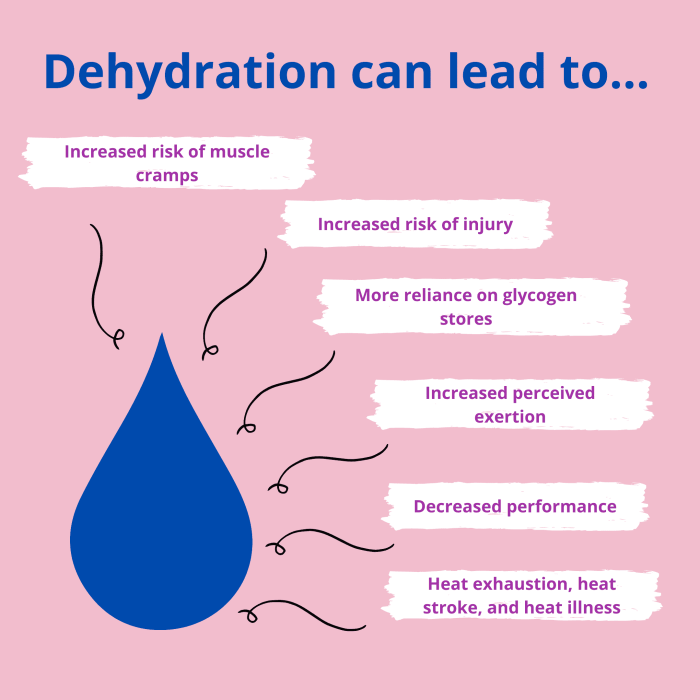
Dehydration can lead to a decrease in blood volume, which in turn reduces the amount of oxygen reaching your muscles. This can result in early fatigue, muscle cramps, and a decrease in overall performance. Additionally, dehydration can impair your body’s ability to regulate temperature, leading to overheating and potentially dangerous situations during intense physical activity.
Tips to Optimize Hydration for Improved Physical Fitness
- Drink water regularly throughout the day, not just during exercise, to ensure you are adequately hydrated before starting your workout.
- Monitor your urine color – pale yellow to clear urine indicates proper hydration.
- Consider sports drinks for longer or more intense workouts, as they can help replenish electrolytes lost through sweat.
- Avoid excessive caffeine or alcohol consumption, as they can contribute to dehydration.
Benefits of Staying Hydrated in Different Types of Physical Activities
| Physical Activity | Benefits of Staying Hydrated |
|---|---|
| Cardiovascular Exercise (e.g., running, cycling) | Improved endurance and performance due to better oxygen delivery to muscles. |
| Strength Training | Reduced risk of muscle cramps and improved recovery between sets. |
| High-Intensity Interval Training (HIIT) | Enhanced energy levels and focus during intense bursts of activity. |
Adequate Hydration
In the context of exercise, adequate hydration refers to maintaining the right balance of fluids in the body to support optimal performance and prevent dehydration.
Signs of Dehydration
During physical activity, it’s crucial to watch out for the following signs of dehydration:
- Increased thirst
- Dry mouth and dry skin
- Dark yellow urine or decreased urine output
- Headache
- Dizziness or lightheadedness
Techniques for Consistent Hydration
To ensure consistent hydration levels throughout a workout, consider the following techniques:
- Drink water before, during, and after exercise.
- Monitor your urine color – pale yellow indicates good hydration.
- Use a sports drink with electrolytes for intense or prolonged exercise sessions.
- Carry a water bottle with you and take regular sips during breaks.
- Avoid excessive caffeine or alcohol consumption, as they can dehydrate the body.
Regular Exercise
Regular exercise plays a crucial role in maintaining overall health and well-being. It not only helps in improving physical fitness but also has a significant impact on mental wellness. In this section, we will explore the relationship between hydration and the frequency of exercise, discuss how hydration needs may vary based on different workout routines, and highlight the benefits of maintaining adequate hydration levels for consistent exercise habits.
Hydration and Exercise Frequency
Staying hydrated is essential for individuals who engage in regular exercise. The frequency of exercise sessions can directly impact hydration levels in the body. As we sweat during physical activity, we lose fluids and electrolytes that need to be replenished to maintain optimal performance and prevent dehydration.
Therefore, it is important to drink an adequate amount of water before, during, and after each workout to support the body’s hydration needs.
Hydration Needs Based on Workout Routines
The hydration requirements for different workout routines can vary depending on the intensity, duration, and type of exercise. For example, high-intensity activities like running or cycling may lead to more significant fluid losses compared to low-impact exercises such as yoga or Pilates.
It is crucial to tailor your hydration strategy to match the specific demands of your workout routine to ensure proper fluid balance and performance.
Benefits of Maintaining Hydration Levels for Consistent Exercise Habits
Consistently maintaining adequate hydration levels offers several benefits for individuals with regular exercise habits. Proper hydration supports optimal muscle function, aids in regulating body temperature, and improves overall physical performance. By staying hydrated, you can reduce the risk of fatigue, cramps, and injuries during exercise, allowing you to stay active and motivated in your fitness journey.
Healthy Lifestyle
Hydration plays a crucial role in maintaining a healthy lifestyle by supporting various bodily functions and overall well-being.
Impact on Overall Well-being
Proper hydration is essential for maintaining optimal health. It helps regulate body temperature, aids digestion, transports nutrients, and flushes out toxins. Dehydration can lead to fatigue, headaches, dizziness, and even more severe health issues.
Alignment with Other Aspects of a Healthy Lifestyle
- Physical Fitness: Hydration is vital for performance during exercise and recovery. It helps prevent muscle cramps, supports joint health, and improves overall exercise endurance.
- Mental Wellness: Staying hydrated is linked to improved cognitive function, mood regulation, and stress management. Dehydration can negatively impact mental clarity and focus.
- Balanced Diet: Hydration is a key component of a balanced diet. It helps with nutrient absorption, aids in digestion, and supports metabolic processes.
Nutrient-Rich
Choosing nutrient-rich beverages for hydration is crucial in maintaining proper fluid balance in the body during exercise. These beverages not only provide hydration but also essential vitamins, minerals, and other nutrients that support overall health and performance.
Electrolytes for Hydration
Electrolytes play a key role in maintaining hydration levels by helping regulate fluid balance, muscle function, and nerve signaling. Sodium, potassium, calcium, and magnesium are some of the important electrolytes that need to be replenished during exercise to prevent dehydration and maintain optimal performance.
- Examples of nutrient-rich foods that can help with hydration include:
- Fruits:Watermelon, oranges, berries, and grapes are high in water content and provide essential vitamins and minerals. They are great for hydration and replenishing electrolytes.
- Vegetables:Cucumbers, lettuce, celery, and tomatoes are hydrating vegetables that also offer important nutrients like potassium and magnesium.
- Coconut Water:A natural source of electrolytes like potassium and magnesium, coconut water is a hydrating beverage that can help replenish fluids and minerals lost during exercise.
- Low-Fat Milk:Rich in calcium, potassium, and protein, low-fat milk is a nutritious option for post-workout hydration and muscle recovery.
Stress Management
Maintaining proper hydration levels is crucial in managing stress effectively. Dehydration can exacerbate stress symptoms, leading to increased feelings of anxiety and tension. By staying adequately hydrated, you can support your body in coping with stress more efficiently.
Relationship between Hydration and Stress Management
- Hydration plays a key role in regulating cortisol levels, the stress hormone in the body.
- Proper hydration helps in maintaining cognitive function and emotional well-being, reducing the impact of stress on the mind and body.
Strategies for Using Hydration as a Tool for Stress Relief
- Start your day with a glass of water to kickstart hydration and set a positive tone for the day.
- Carry a reusable water bottle with you throughout the day to ensure you have access to water whenever needed.
- Incorporate hydrating foods like fruits and vegetables into your diet to supplement your water intake.
- Practice mindful hydration by taking small sips of water and focusing on the act of drinking to promote relaxation.
Impact of Stress on Hydration Levels During Exercise
- Stress can lead to increased sweating during exercise, causing the body to lose more water and electrolytes.
- High levels of stress can also affect your motivation to stay hydrated, leading to decreased fluid intake during physical activity.
- It is essential to be mindful of your hydration levels during exercise, especially when under stress, to prevent dehydration and maintain optimal performance.
Preventive Care
Adequate hydration plays a crucial role in preventive care, especially during exercise. By maintaining proper hydration levels, individuals can prevent various health issues that may arise due to dehydration or electrolyte imbalance. Here, we will delve into how hydration contributes to preventive care and share tips on how to maintain hydration to prevent health issues related to exercise.
Benefits of Hydration in Preventive Care
- Hydration helps regulate body temperature during exercise, preventing heat-related illnesses like heat exhaustion and heat stroke.
- Proper hydration supports cardiovascular health by ensuring an adequate blood volume, reducing the risk of heart strain during physical activity.
- Hydration aids in muscle function and joint lubrication, reducing the likelihood of cramps, strains, and injuries during exercise.
Tips for Preventive Care through Hydration
- Drink water before, during, and after exercise to maintain hydration levels.
- Avoid sugary or caffeinated beverages, as they can contribute to dehydration.
- Monitor urine color to ensure it is pale yellow, indicating proper hydration.
- Consume electrolyte-rich fluids or snacks to replenish minerals lost through sweat.
Proper Nutrition
Proper nutrition is essential for overall health and well-being, especially when it comes to maintaining an active lifestyle. Hydration plays a crucial role in a diet focused on proper nutrition, as it helps regulate body temperature, transport nutrients, and remove waste products.
The Role of Hydration in Proper Nutrition
Hydration is a key component of proper nutrition as it helps support various bodily functions. Adequate hydration is necessary for digestion, nutrient absorption, and circulation. It also helps maintain electrolyte balance, which is essential for muscle function and overall hydration status.
When it comes to exercise, hydration becomes even more critical. Sweating during physical activity leads to fluid loss, which must be replenished to prevent dehydration. Inadequate hydration can impair exercise performance and increase the risk of heat-related illnesses.
It’s important to strike a balance between hydration and other nutritional needs, such as consuming nutrient-rich foods that provide essential vitamins, minerals, and macronutrients. Water is the best choice for hydration, but other beverages like sports drinks can also be beneficial for replenishing electrolytes lost through sweat.
Quality Sleep: How To Maintain Adequate Hydration During Exercise
Maintaining adequate hydration is crucial for quality sleep, especially after exercise. Dehydration can disrupt your sleep patterns and lead to restlessness during the night.
Connection between Hydration and Quality Sleep
Proper hydration plays a significant role in regulating your body temperature and promoting relaxation, both of which are essential for falling asleep and staying asleep. When you exercise, your body loses fluids through sweat, and replenishing these fluids is essential for optimal recovery and restorative sleep.
Tips on How Hydration Can Impact Sleep Patterns
- Drink water throughout the day, not just during exercise, to stay hydrated.
- Avoid consuming caffeine or alcohol close to bedtime, as they can disrupt your sleep.
- Monitor your urine color
- pale yellow indicates adequate hydration.
- Consider consuming hydrating foods like fruits and vegetables to supplement your fluid intake.
Importance of Adequate Hydration for Restorative Sleep
Adequate hydration is essential for your body to repair and recover during sleep. Dehydration can lead to muscle cramps, headaches, and overall discomfort that can interfere with your ability to achieve restorative sleep. By prioritizing hydration post-exercise, you can support your body’s recovery process and improve the quality of your sleep.
Cardio Health
Maintaining adequate hydration is crucial for cardiovascular health during exercise. Dehydration can lead to decreased blood volume, making the heart work harder to pump blood to the muscles. This can result in increased heart rate and reduced cardiac output, compromising overall cardiovascular performance.
Effects of Hydration on Cardiovascular Health
- Proper hydration helps maintain blood volume, allowing the heart to pump blood more efficiently.
- Dehydration can lead to increased heart rate and reduced cardiac output, impacting cardiovascular performance.
- Hydration supports optimal circulation, ensuring that oxygen-rich blood reaches the muscles during exercise.
Importance of Hydration for a Healthy Heart
- Hydration plays a key role in regulating blood pressure and heart rate, supporting overall heart health.
- Proper hydration helps prevent conditions like heat stress and heat stroke, which can strain the cardiovascular system.
- Dehydration can increase the risk of cardiovascular issues such as arrhythmias and blood clots.
Impact of Hydration on Cardiovascular Performance
- Optimal hydration levels support endurance and stamina during exercise, enhancing overall cardiovascular performance.
- Hydration helps maintain electrolyte balance, essential for proper muscle function and heart rhythm.
- Dehydration can lead to fatigue, dizziness, and reduced exercise capacity, negatively impacting cardiovascular performance.
Immune Boost
Staying hydrated plays a crucial role in boosting the immune system during exercise. Proper hydration supports immune function by helping to transport important nutrients and oxygen to cells, as well as aiding in the removal of waste products and toxins from the body.
Dehydration can weaken the immune system, making the body more susceptible to infections and illnesses.
Hydration and Immune Function
Maintaining adequate hydration levels is essential for optimal immune function. Water is necessary for the production of lymph, a fluid that carries white blood cells and other immune system cells throughout the body to fight off pathogens. Dehydration can lead to a decrease in lymph production, hindering the body’s ability to combat infections.
- Hydration helps in the production of saliva, which contains antimicrobial properties that can help prevent infections in the mouth and throat.
- Proper hydration supports the function of mucous membranes in the respiratory and digestive tracts, acting as a barrier against pathogens.
- Water is essential for regulating body temperature, which is important for immune cells to function optimally.
Positive Mindset
Maintaining adequate hydration is not only crucial for physical performance but also plays a significant role in fostering a positive mindset during exercise. When the body is properly hydrated, cognitive function is optimized, leading to improved focus, clarity, and overall mood.
Influence on Mental Benefits
- Hydration directly impacts neurotransmitter function in the brain, affecting mood regulation and cognitive performance.
- Dehydration can lead to feelings of fatigue, irritability, and decreased motivation, hindering a positive mindset.
- Proper hydration supports overall mental well-being, enhancing resilience and the ability to handle challenges effectively.
Strategies for Cultivating a Positive Mindset through Hydration
- Set hydration goals: Establish a routine to drink water regularly throughout the day, especially before, during, and after exercise.
- Monitor hydration levels: Pay attention to thirst cues, urine color, and sweat rate to ensure adequate fluid intake.
- Enhance water intake: Infuse water with fruits, herbs, or electrolytes to make it more appealing and flavorful.
- Stay consistent: Create reminders or use water tracking apps to stay on track with hydration goals and maintain a positive mindset.
- Practice mindfulness: Take moments during exercise to focus on the sensation of drinking water and appreciate the nourishment it provides to the body and mind.
Clean Eating
Maintaining a clean eating lifestyle involves consuming whole, nutrient-dense foods while avoiding processed and unhealthy options. Hydration plays a crucial role in supporting this concept by ensuring that your body functions optimally and efficiently.
Hydration and Clean Eating
Proper hydration is essential for clean eating as it helps to flush out toxins from the body, aids digestion, and supports nutrient absorption. By choosing clean hydration options, you can enhance your overall well-being and contribute to a healthier lifestyle.
- Drinking plain water: Opting for plain water is a clean and simple way to stay hydrated during exercise. It contains zero calories and helps to replenish fluids lost through sweat.
- Coconut water: Natural and refreshing, coconut water is a clean alternative to sugary sports drinks. It is rich in electrolytes, making it a great choice for rehydration after a workout.
- Herbal teas: Herbal teas, such as chamomile or peppermint, can provide hydration without added sugars or artificial ingredients. They also offer various health benefits, depending on the herbs used.
- Fruit-infused water: Adding slices of fruits like lemon, berries, or cucumber to water can enhance its flavor without the need for artificial sweeteners. This clean hydration option is both delicious and refreshing.
Daily Activity
Maintaining proper hydration is crucial for daily physical activity as it helps regulate body temperature, transport nutrients, and remove waste products. Staying hydrated can also improve overall performance, energy levels, and focus throughout the day.
Importance of Consistent Hydration
Consistent hydration is essential to support the body’s functions during daily activities, such as walking, running, or even household chores. Dehydration can lead to fatigue, muscle cramps, and decreased cognitive function, affecting productivity and overall well-being.
Hydration Needs Based on Different Routines
The amount of water needed for hydration may vary depending on the intensity and duration of daily activities. For example, individuals with more active routines or those living in hot climates may require increased fluid intake to prevent dehydration and maintain optimal performance.
Tips for Maintaining Hydration Levels
- Carry a reusable water bottle with you throughout the day to remind yourself to drink water regularly.
- Drink water before, during, and after physical activities to stay properly hydrated.
- Include hydrating foods in your diet, such as fruits and vegetables with high water content.
- Avoid excessive consumption of caffeinated or sugary beverages, as they can dehydrate the body.
- Monitor your urine color – pale yellow indicates proper hydration, while dark yellow may signal dehydration.
Holistic Health
Hydration plays a crucial role in achieving holistic health and overall well-being. It is essential for maintaining the balance of bodily functions and supporting various interconnected aspects of our health.
Hydration and Holistic Wellness
Proper hydration not only helps in regulating body temperature, aiding digestion, and transporting nutrients but also contributes to mental clarity and emotional stability. It is a key component of holistic health as it impacts physical, mental, and emotional well-being.
- Hydration and Physical Health: Adequate water intake helps in lubricating joints, protecting organs, and maintaining healthy skin. It also supports the body in performing various physiological functions efficiently.
- Hydration and Mental Wellness: Dehydration can lead to cognitive impairment, mood swings, and decreased focus. Staying hydrated is essential for optimal brain function and emotional balance.
- Hydration and Emotional Well-being: Water plays a significant role in regulating hormones and neurotransmitters, which are crucial for managing stress, anxiety, and overall emotional health.
Holistic Approaches to Hydration
Adopting holistic approaches to hydration involves more than just drinking water. It includes incorporating hydrating foods, herbal teas, and electrolyte-rich beverages into your daily routine. Additionally, mindful hydration practices like listening to your body’s thirst cues and maintaining a balance between water intake and electrolyte levels are essential for overall wellness.
Mindful Living
Maintaining a mindful lifestyle involves being present in the moment and fully aware of your actions, thoughts, and surroundings. Hydration plays a crucial role in mindful living practices as it helps support overall well-being, mental clarity, and physical performance.
Hydration and Mindfulness
Incorporating hydration into mindfulness practices during exercise can enhance the mind-body connection and promote a deeper sense of awareness. Staying hydrated allows you to tune into your body’s signals and respond to its needs effectively.
- Drink water mindfully: Instead of mindlessly sipping water, take a moment to appreciate the act of hydrating your body. Focus on the sensation of the water flowing down your throat and nourishing your cells.
- Set hydration reminders: Use hydration as a cue to check in with your present state. Set reminders to drink water throughout the day and take a moment to pause and reflect on how you feel physically and mentally.
- Practice gratitude: Be grateful for the clean water you have access to and acknowledge the privilege of being able to hydrate whenever you need. This mindfulness practice can help cultivate a sense of appreciation and awareness.
- Listen to your body: Pay attention to subtle signs of dehydration or thirst during exercise. By listening to your body’s cues, you can respond promptly and ensure you stay adequately hydrated for optimal performance.
Emotional Balance
Maintaining emotional balance is crucial during physical activity as it can impact motivation, focus, and overall well-being. Staying hydrated plays a significant role in supporting emotional balance and ensuring optimal performance.
Impact of Hydration on Emotional Balance
Proper hydration is essential for regulating mood and emotions during exercise. Dehydration can lead to irritability, fatigue, and decreased cognitive function, affecting emotional stability. By staying hydrated, individuals can better manage stress, stay focused, and maintain a positive mindset throughout their workout.
Supporting Emotional Well-being through Hydration
Hydration not only replenishes lost fluids but also helps in the production of neurotransmitters that regulate mood. Adequate hydration can enhance feelings of happiness and reduce symptoms of anxiety and depression. By drinking enough water before, during, and after exercise, individuals can support their emotional well-being and enjoy a more positive workout experience.
Strategies for Maintaining Emotional Balance through Hydration
- Drink water consistently throughout the day, not just during exercise, to stay hydrated.
- Monitor urine color to ensure proper hydration levels – pale yellow indicates adequate hydration.
- Include hydrating foods like fruits and vegetables in your diet to supplement water intake.
- Carry a reusable water bottle to make hydration convenient and accessible during workouts.
- Listen to your body’s signals for thirst and drink water accordingly to prevent dehydration.
Health Education
Education about hydration in fitness and health plays a crucial role in helping individuals understand the importance of staying adequately hydrated during exercise.
The Significance of Health Education in Promoting Adequate Hydration
Health education serves as a valuable tool in promoting adequate hydration by raising awareness about the impact of dehydration on overall health and performance. By providing information on the benefits of staying hydrated, individuals are more likely to prioritize their fluid intake.
Ways to Educate Others about the Importance of Hydration
- Organize workshops or seminars to discuss the role of hydration in fitness and health.
- Create educational materials such as brochures or posters highlighting the benefits of proper hydration.
- Utilize social media platforms to share tips and information on staying hydrated during exercise.
- Collaborate with fitness professionals to incorporate hydration education into workout routines and training programs.
- Encourage peer-to-peer discussions on the importance of hydration and its impact on physical performance.
Self-Care
Hydration plays a crucial role in self-care during exercise as it helps in maintaining optimal physical and mental well-being. By ensuring adequate fluid intake, individuals can support their bodies in performing at their best and prevent dehydration-related issues.
Importance of Staying Hydrated for Self-Care
Staying hydrated is a nurturing act of self-care that provides the body with the essential fluids it needs to function efficiently. Proper hydration supports overall health and well-being, aids in digestion, regulates body temperature, and helps in the transportation of nutrients throughout the body.
It also plays a key role in maintaining cognitive function and mood, which are vital aspects of self-care.
Self-Care Practices for Maintaining Hydration Levels
- Carry a reusable water bottle with you throughout the day to ensure easy access to water.
- Set reminders on your phone or use hydration tracking apps to monitor your daily water intake.
- Incorporate hydrating foods such as fruits, vegetables, and soups into your diet to supplement your fluid intake.
- Opt for beverages like herbal teas, coconut water, or infused water for added hydration benefits.
- Avoid excessive consumption of caffeinated or sugary drinks, as they can contribute to dehydration.
- Listen to your body’s signals of thirst and aim to drink water before, during, and after exercise to maintain hydration levels.
Chronic Disease
Maintaining adequate hydration is crucial for managing chronic diseases during exercise. Dehydration can exacerbate symptoms and complications associated with conditions such as diabetes, hypertension, and heart disease. Proper hydration helps regulate blood pressure, blood sugar levels, and overall cardiovascular function, reducing the risk of adverse events during physical activity.
Impact of Hydration on Managing Chronic Diseases
- Hydration plays a key role in managing chronic diseases by supporting optimal organ function and reducing strain on the body.
- Proper fluid intake can help improve circulation, decrease inflammation, and enhance the body’s ability to transport nutrients and oxygen to cells.
- Individuals with chronic conditions like kidney disease or arthritis may benefit from staying hydrated to prevent complications and support joint function.
Hydration Strategies for Individuals with Chronic Conditions
- Monitor fluid intake regularly and adjust based on individual needs, especially for those with conditions that affect fluid balance.
- Choose hydrating fluids like water, herbal teas, and low-sugar electrolyte drinks over sugary or caffeinated beverages.
- Include water-rich foods in the diet, such as fruits, vegetables, and soups, to increase overall hydration levels.
- Consult healthcare providers for personalized recommendations on fluid intake and hydration goals based on specific chronic disease management plans.
Final Thoughts
In conclusion, prioritizing hydration during exercise is key to reaching your fitness goals. By following the tips and strategies Artikeld in this guide, you can ensure that you maintain adequate hydration levels for improved performance and overall well-being.
FAQs
How often should I drink water during exercise?
It’s recommended to drink water every 15-20 minutes during exercise to maintain hydration levels.
Can I rely on thirst to tell me when to drink water during a workout?
No, thirst is not always a reliable indicator of hydration needs. It’s best to drink water regularly throughout your exercise session.
Are sports drinks better than water for hydration during exercise?
Sports drinks can be beneficial for longer, more intense workouts as they provide electrolytes and carbohydrates in addition to hydration.