
How to practice self-care for effective stress management is crucial in today’s fast-paced world. By understanding the importance of self-care in managing stress, one can achieve a healthier and more balanced life.
This guide will explore various aspects of self-care, including balanced diet, mental wellness, physical fitness, hydration, quality sleep, healthy lifestyle, preventive care, and different forms of self-care activities.
Balanced Diet
Maintaining a balanced diet is essential for effective stress management as it provides the body with the necessary nutrients to function optimally and combat the negative effects of stress.
Nutrient-rich Foods for Stress Reduction
Eating nutrient-rich foods can help reduce stress levels and promote overall well-being. Some examples of foods that support stress reduction include:
- Fatty fish like salmon, rich in omega-3 fatty acids which have been shown to reduce anxiety.
- Leafy greens such as spinach and kale, high in magnesium that helps regulate cortisol levels.
- Blueberries, packed with antioxidants that combat stress and improve cognitive function.
- Almonds, a great source of vitamin E which boosts immune function during stressful periods.
Impact of Dietary Choices on Mental Wellness
The food we consume plays a significant role in our mental wellness and emotional balance. A diet high in processed foods, sugar, and unhealthy fats can lead to increased stress levels and mood swings. On the other hand, a diet rich in whole foods, fruits, vegetables, and lean proteins can support mental clarity, energy levels, and emotional stability.
Tips for Incorporating Clean Eating Habits
- Plan your meals ahead of time to ensure you have nutritious options readily available.
- Make small changes gradually, such as swapping out sugary snacks for fresh fruits or veggies.
- Stay hydrated by drinking plenty of water throughout the day to support overall health and well-being.
- Avoid skipping meals as this can lead to blood sugar imbalances and increased stress levels.
Mental Wellness
Maintaining mental wellness is crucial for effective stress management as our emotional state greatly impacts how we handle and respond to stressors in our lives. When we prioritize our mental well-being, we are better equipped to cope with challenges and prevent stress from overwhelming us.Mindfulness practices play a significant role in promoting emotional balance by helping individuals stay present in the moment and cultivate a non-judgmental awareness of their thoughts and feelings.
By practicing mindfulness, individuals can observe their emotions without getting caught up in them, which can reduce the intensity of negative emotions and increase emotional resilience.
Techniques for Promoting a Positive Mindset for Stress Relief
- Practice gratitude: Take time each day to reflect on things you are grateful for, as this can shift your focus towards positivity.
- Engage in relaxation techniques: Incorporate activities like deep breathing, meditation, or progressive muscle relaxation to calm your mind and body.
- Challenge negative thoughts: Identify and challenge negative thought patterns by replacing them with more positive and realistic thoughts.
- Stay connected: Maintain social connections with friends and loved ones to provide support and companionship during stressful times.
The Role of Health Education in Improving Mental Health
Health education plays a vital role in improving mental health by increasing awareness about mental health issues, reducing stigma, and providing individuals with the knowledge and skills to cope effectively with stress. By educating individuals about the importance of self-care practices, coping mechanisms, and seeking professional help when needed, health education can empower individuals to take proactive steps towards maintaining their mental well-being.
Physical Fitness
Regular exercise plays a crucial role in managing stress levels and improving overall well-being. Physical fitness not only helps in reducing anxiety and depression but also contributes to preventing chronic diseases such as heart disease, diabetes, and obesity.
Benefits of Regular Exercise
- Improves mood and mental clarity
- Reduces stress hormones in the body
- Boosts energy levels and promotes better sleep
Tips for Incorporating Daily Physical Activity
- Schedule exercise into your daily routine, even if it’s just for a short duration
- Choose activities that you enjoy to make it more sustainable
- Take short active breaks throughout the day, such as stretching or walking
Examples of Exercises for Cardiovascular Health and Immune Boost
- Brisk walking or jogging
- Cycling or swimming
- Aerobic exercises like dancing or Zumba
- Strength training with weights or resistance bands
Adequate Hydration
Hydration plays a crucial role in stress management as it affects various bodily functions that contribute to overall well-being.
Importance of Hydration
Adequate hydration is essential for maintaining proper bodily functions, including brain function and stress response. Dehydration can lead to increased stress levels and impact cognitive performance.
Water Intake and Well-being
- Drinking enough water helps in regulating body temperature, aiding digestion, and flushing out toxins, promoting overall health and well-being.
- Proper hydration can improve mood, reduce fatigue, and enhance focus and concentration, all of which are essential for effective stress management.
Tips for Staying Hydrated
- Carry a reusable water bottle with you throughout the day to remind yourself to drink water regularly.
- Set reminders on your phone or use apps to track your water intake and ensure you are drinking enough water daily.
- Include hydrating foods such as fruits and vegetables in your diet to supplement your water intake.
Beverages for Hydration and Relaxation
Aside from water, there are other beverages that can help with hydration and relaxation:
- Herbal teas like chamomile or peppermint tea can soothe nerves and promote relaxation.
- Coconut water is a natural source of electrolytes and can help replenish fluids and minerals lost during stressful situations.
- Fruit-infused water adds flavor to your hydration routine and encourages you to drink more water throughout the day.
Quality Sleep
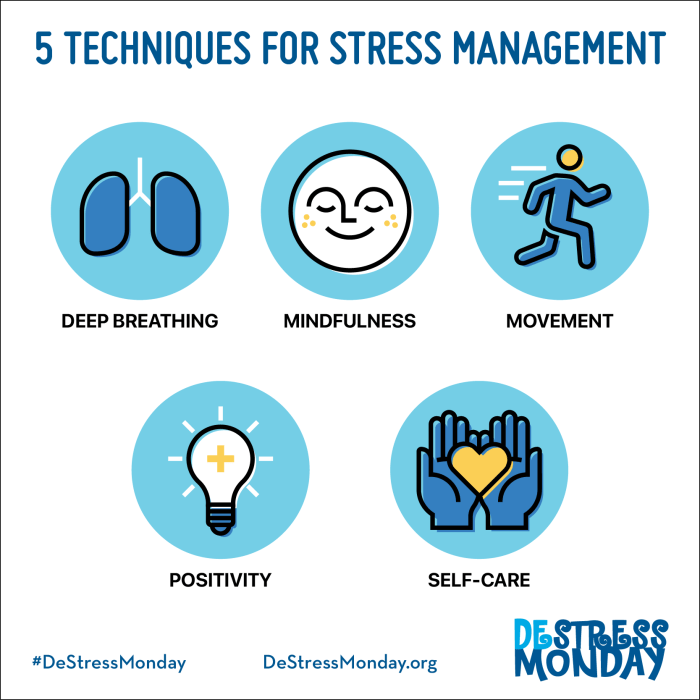
Quality sleep plays a crucial role in effective stress management and self-care. It is during sleep that our bodies repair, restore, and rejuvenate, helping us to cope better with daily stressors and challenges.
Impact on Emotional Balance and Cognitive Function
Quality sleep has a direct impact on our emotional well-being and cognitive function. Lack of sleep can lead to irritability, mood swings, difficulty concentrating, and impaired decision-making abilities. On the other hand, getting enough restful sleep can enhance our emotional resilience, improve our mood, and boost our cognitive performance.
- Establish a consistent sleep schedule by going to bed and waking up at the same time every day, even on weekends.
- Create a relaxing bedtime routine to signal to your body that it’s time to wind down, such as taking a warm bath, reading a book, or practicing deep breathing exercises.
- Avoid electronic devices and stimulating activities before bed, as the blue light emitted can interfere with your body’s natural sleep-wake cycle.
- Ensure your sleep environment is conducive to rest, with a comfortable mattress, pillows, and a cool, dark room.
Relaxation Techniques for Better Sleep
Incorporating relaxation techniques into your bedtime routine can help promote better sleep quality and enhance your overall well-being.
- Practice mindfulness meditation to calm your mind and relax your body before sleep.
- Progressive muscle relaxation involves tensing and then relaxing each muscle group in your body, promoting physical relaxation and reducing tension.
- Deep breathing exercises can help slow down your heart rate, lower blood pressure, and induce a state of relaxation conducive to sleep.
- Guided imagery involves visualizing peaceful and calming scenes to distract your mind from racing thoughts and promote a sense of tranquility.
Healthy Lifestyle: How To Practice Self-care For Effective Stress Management
Maintaining a healthy lifestyle is crucial for effective stress management as it provides a strong foundation for overall well-being. By incorporating key components into your daily routine, you can create a supportive environment that promotes holistic health practices.
Components of a Healthy Lifestyle
- Balanced Nutrition: Consuming a variety of nutrient-dense foods to support physical and mental health.
- Regular Exercise: Engaging in physical activities to reduce stress, improve mood, and boost energy levels.
- Stress Reduction Techniques: Incorporating mindfulness, meditation, or yoga to manage stress and promote relaxation.
- Social Connections: Building and maintaining relationships with others for emotional support and a sense of belonging.
Benefits of Holistic Health Practices
- Improved Immune Function: A healthy lifestyle can strengthen the immune system, reducing the risk of illness.
- Enhanced Mental Clarity: Holistic practices can improve cognitive function and focus, enhancing overall well-being.
- Increased Resilience: By adopting holistic health practices, individuals can better cope with stress and adversity.
Creating a Healthy Living Environment
- Declutter Your Space: A tidy and organized environment can help reduce feelings of overwhelm and promote relaxation.
- Natural Light and Fresh Air: Opening windows and allowing natural light into your space can boost mood and energy levels.
- Establishing Boundaries: Setting boundaries with work, technology, and social commitments can help reduce stress and create balance in your life.
Daily Habits for Overall Well-Being
- Start Your Day with a Healthy Breakfast: Fueling your body with nutritious foods can set a positive tone for the day.
- Stay Hydrated: Drinking an adequate amount of water throughout the day is essential for overall health and well-being.
- Prioritize Sleep: Ensure you get enough restful sleep each night to support physical and mental recovery.
Preventive Care
Preventive care plays a crucial role in managing stress and maintaining overall health. By taking proactive measures to prevent illnesses and complications, individuals can reduce the impact of stress on their well-being and lead a healthier life.
Importance of Proper Nutrition
Proper nutrition is essential in preventing chronic diseases such as heart disease, diabetes, and obesity. A balanced diet rich in fruits, vegetables, whole grains, lean proteins, and healthy fats can help boost the immune system and reduce the risk of developing these conditions.
Incorporating Preventive Care Measures
- Make regular exercise a part of your routine to maintain a healthy weight and reduce the risk of chronic diseases.
- Practice stress-relief techniques such as meditation, yoga, or deep breathing exercises to lower stress levels and improve overall well-being.
- Schedule routine health screenings and check-ups with your healthcare provider to monitor your health and catch any potential issues early on.
Examples of Health Screenings
- Annual physical exams to check blood pressure, cholesterol levels, and overall health status.
- Mammograms for breast cancer screening in women over 40 years old.
- Colonoscopies for colorectal cancer screening in individuals over 50 years old.
- Blood tests to monitor blood sugar levels and detect diabetes early.
Self-Care
Self-care is the practice of taking deliberate actions to prioritize and maintain one’s physical, mental, and emotional well-being. It involves activities that help individuals recharge, relax, and nurture themselves, ultimately reducing stress levels and promoting overall health.
Forms of Self-Care Activities, How to practice self-care for effective stress management
- Physical self-care: Engaging in regular exercise, eating nutritious meals, getting enough sleep, and practicing good hygiene.
- Emotional self-care: Journaling, talking to a therapist, expressing feelings through art or music, and setting boundaries in relationships.
- Mental self-care: Practicing mindfulness, meditation, reading, learning new skills, and engaging in hobbies.
- Social self-care: Spending time with loved ones, joining a support group, volunteering, and seeking out positive social interactions.
Tips for Prioritizing Self-Care Practices
- Make self-care a non-negotiable part of your routine by scheduling time for it each day.
- Identify activities that bring you joy and make you feel rejuvenated, and incorporate them into your schedule regularly.
- Set boundaries with work, social commitments, and other responsibilities to ensure you have time for self-care.
- Practice self-compassion and kindness towards yourself, acknowledging that self-care is essential for your well-being.
Examples of Self-Care Routines
- Morning routine: Start the day with a healthy breakfast, a few minutes of meditation, and a short walk to boost energy levels.
- Evening routine: Wind down with a warm bath, a calming cup of tea, and some light stretching to relax before bedtime.
- Weekly routine: Dedicate a day to self-care activities such as reading a book, going for a hike, or indulging in a hobby you love.
Closing Notes
In conclusion, practicing self-care for effective stress management is not just a luxury but a necessity for overall well-being. By incorporating these practices into your daily routine, you can lead a happier and healthier life.
Commonly Asked Questions
How does a balanced diet help with stress management?
A balanced diet provides essential nutrients that support stress reduction and promote overall well-being.
What are some examples of relaxation techniques for better sleep?
Relaxation techniques such as deep breathing, meditation, and gentle yoga can help promote better sleep quality.
Why is preventive care important for managing stress?
Preventive care helps in maintaining health and preventing chronic diseases, reducing overall stress levels.
What are some daily habits that promote overall well-being?
Practicing mindfulness, staying physically active, and getting quality sleep are essential daily habits for overall well-being.


