How to track daily activity with a fitness tracker: Dive into the world of fitness tracking with this comprehensive guide that will help you make the most out of your daily routines and achieve your health goals effortlessly.
Discover the secrets of optimizing your fitness tracker to monitor various aspects of your well-being and get ready to embark on a journey towards a healthier lifestyle.
Balanced Diet
Maintaining a balanced diet is crucial when using a fitness tracker to track daily activity. A balanced diet provides the necessary nutrients to support overall health and fitness goals, ensuring that your body has the fuel it needs to perform optimally.
Nutritious Foods for Health and Fitness
Eating a variety of nutritious foods is key to maintaining a balanced diet. Include fruits, vegetables, whole grains, lean proteins, and healthy fats in your meals to ensure you are getting all the essential nutrients your body needs. Examples of nutritious foods that support overall health and fitness goals include:
- Leafy greens like spinach and kale, which are rich in vitamins and minerals
- Lean proteins like chicken, fish, tofu, and beans to support muscle growth and repair
- Whole grains like quinoa, brown rice, and oats for sustained energy
- Fruits like berries, bananas, and oranges for a dose of vitamins and fiber
- Healthy fats from sources like avocados, nuts, and olive oil for heart health
Improved Fitness Tracker Data Accuracy
Maintaining a balanced diet plays a significant role in improving the accuracy of data tracked by your fitness device. When your body is properly nourished with a variety of nutrients, it can function efficiently during physical activities, resulting in more precise data on your steps, heart rate, calories burned, and other metrics.
Additionally, consuming a balanced diet can help with weight management, which can impact the effectiveness of your fitness tracker in tracking progress towards your fitness goals.
Mental Wellness
Maintaining mental wellness is crucial for overall health and fitness. The relationship between daily activity tracking and mental well-being is significant as it allows individuals to monitor their progress, set achievable goals, and stay motivated.
Strategies for Monitoring and Improving Mental Well-Being
- Utilize the sleep tracking feature on your fitness tracker to ensure you are getting enough rest for optimal mental health.
- Set reminders to take breaks and engage in mindfulness activities throughout the day to reduce stress and improve focus.
- Use the heart rate monitoring function to track your stress levels and implement breathing exercises or meditation when needed.
- Review your daily activity data to identify patterns that may be impacting your mental well-being, such as lack of movement or excessive screen time.
Impact of Mental Wellness on Physical Fitness and Overall Health
Maintaining good mental health has a direct impact on physical fitness and overall health. When individuals are mentally well, they are more likely to be consistent with their exercise routines, make healthier food choices, and have better sleep patterns. This holistic approach to health ensures that both the mind and body are functioning optimally, leading to improved well-being and quality of life.
Physical Fitness
Fitness trackers play a crucial role in monitoring various physical activities throughout the day, helping individuals stay on track with their fitness goals.
Types of Fitness Trackers and Their Features
- Basic Fitness Trackers: These devices focus on counting steps, distance traveled, and calories burned. They are simple and budget-friendly options for beginners.
- Advanced Fitness Trackers: These trackers offer additional features like heart rate monitoring, sleep tracking, GPS tracking, and workout guidance. They provide more comprehensive data for in-depth analysis of physical activity.
- Smartwatches: Combining fitness tracking with smartphone capabilities, smartwatches offer a wide range of features such as notifications, apps, and music control in addition to fitness tracking.
Setting Fitness Goals and Achieving Them with a Tracker
- Set Specific Goals: Define clear and achievable fitness goals such as daily step count, active minutes, or calorie burn target.
- Track Progress: Regularly monitor your activity data on the fitness tracker to see how close you are to reaching your goals and make adjustments as needed.
- Stay Motivated: Use the tracker’s reminders, challenges, and rewards to stay motivated and accountable in your fitness journey.
- Celebrate Milestones: Celebrate small victories along the way to your larger fitness goals to maintain a positive mindset and keep pushing forward.
Adequate Hydration
Maintaining proper hydration is crucial for sustaining energy levels throughout daily activities. Water plays a vital role in regulating body temperature, transporting nutrients, and removing waste from the body. Dehydration can lead to fatigue, muscle cramps, and decreased cognitive function.
Tracking Water Intake with a Fitness Tracker
Fitness trackers can be helpful tools in monitoring daily water intake. Many fitness trackers come equipped with features that allow users to input their water consumption and set hydration goals. By regularly tracking water intake, individuals can ensure they are meeting their daily hydration needs.
Benefits of Staying Hydrated
- Improved Physical Performance: Proper hydration can enhance endurance, strength, and overall physical performance during exercise and daily activities.
- Enhanced Cognitive Function: Staying hydrated is essential for optimal brain function, including improved concentration, focus, and mood.
- Supports Digestive Health: Water aids in digestion and helps prevent constipation by keeping the digestive system running smoothly.
- Regulates Body Temperature: Adequate hydration helps the body maintain a stable temperature, especially during physical exertion or in hot weather.
- Supports Kidney Function: Water is essential for kidney health, as it helps flush out toxins and waste products from the body.
Regular Exercise
Regular exercise plays a crucial role in maintaining overall health and achieving fitness goals. Fitness trackers can be valuable tools in helping individuals stay consistent with their daily exercise routines by providing real-time feedback and motivation.
Monitoring Different Types of Exercises
Fitness trackers are equipped to monitor various types of exercises, from running and cycling to weightlifting and yoga. They can track metrics such as heart rate, steps taken, calories burned, and even sleep patterns, giving users a comprehensive overview of their physical activity throughout the day.
- Running: Fitness trackers can track distance, pace, and heart rate during runs, helping users analyze their performance and progress over time.
- Weightlifting: By recording sets, reps, and rest times, fitness trackers can assist in creating structured strength training routines for optimal results.
- Yoga: While yoga may not involve high-intensity movements, fitness trackers can still track the duration of a session and provide insights into overall activity levels.
Monitoring different types of exercises with a fitness tracker allows individuals to tailor their workout routines to meet specific fitness goals and ensure a well-rounded approach to physical activity.
Importance of Regular Exercise
Regular exercise not only helps in weight management and physical fitness but also plays a significant role in improving mental health, reducing the risk of chronic diseases, and enhancing overall well-being. Consistency in exercise routines is key to achieving fitness goals, whether it be weight loss, muscle gain, or improved endurance.
- Weight Management: Engaging in regular exercise helps in burning calories, maintaining a healthy weight, and reducing the risk of obesity-related conditions.
- Mental Health: Exercise has been shown to reduce stress, anxiety, and depression, promoting better mental clarity and emotional well-being.
- Chronic Disease Prevention: Regular physical activity lowers the risk of developing conditions such as heart disease, diabetes, and certain types of cancer.
By incorporating regular exercise into daily routines and utilizing fitness trackers to monitor progress, individuals can take proactive steps towards achieving their fitness goals and leading a healthier lifestyle.
Healthy Lifestyle
Maintaining a healthy lifestyle is crucial for overall well-being, and tracking daily activity with a fitness tracker can significantly support this goal. By monitoring your physical movements, exercise routines, and even sleep patterns, you gain valuable insights into your habits and can make informed decisions to improve your health.
Healthy Habits Reinforced Through Activity Tracking
- Regular Exercise: A fitness tracker can help you stay accountable to your workout goals by monitoring your daily steps, distance covered, and active minutes. This encourages you to engage in physical activity consistently.
- Quality Sleep: Many fitness trackers also track your sleep patterns, providing data on your sleep duration and quality. By analyzing this information, you can make adjustments to your bedtime routine to ensure better rest.
- Stress Management: Some fitness trackers offer features like guided breathing exercises or reminders to take breaks throughout the day. These tools can help you manage stress levels and promote mental wellness.
Long-Term Impact on Overall Well-Being
By incorporating healthy habits reinforced through activity tracking into your daily routine, you can experience numerous benefits in the long run. Consistent physical activity, adequate sleep, and stress management contribute to improved cardiovascular health, mental clarity, and overall quality of life.
Over time, maintaining a healthy lifestyle can reduce the risk of chronic diseases, boost energy levels, and enhance your mood and well-being.
Nutrient-Rich
Consuming nutrient-rich foods is crucial for sustaining daily activity levels as they provide the essential vitamins, minerals, and macronutrients needed for optimal physical and mental performance. These foods fuel our bodies, support immune function, aid in recovery, and help maintain overall health and well-being.
Tracking Nutrient Intake
To track your nutrient intake effectively, you can utilize a fitness tracker that allows you to log your meals and snacks. Many fitness trackers have built-in databases with nutritional information for various foods, making it easier to monitor your daily intake of key nutrients such as protein, carbohydrates, fats, vitamins, and minerals.
By tracking your nutrient intake, you can ensure you are meeting your daily requirements for optimal performance.
Nutrient-Rich Foods and Physical Performance
- Include a variety of fruits and vegetables in your diet as they are rich in vitamins, minerals, and antioxidants that support overall health and performance.
- Opt for whole grains like brown rice, quinoa, and oats, which provide sustained energy and fiber for improved digestion.
- Incorporate lean proteins such as chicken, fish, tofu, and legumes to support muscle repair and growth.
- Include healthy fats from sources like avocados, nuts, seeds, and olive oil to support brain function and hormone production.
- Stay hydrated with water and electrolyte-rich beverages to maintain proper fluid balance for optimal performance.
Stress Management
Managing stress is crucial for overall health and well-being. Tracking daily activity with a fitness tracker can be a useful tool in identifying patterns and potential triggers of stress.
Utilizing a Fitness Tracker for Stress Monitoring
One way to monitor stress indicators using a fitness tracker is by tracking your heart rate variability (HRV). HRV is a measure of the variation in time between each heartbeat, which can reflect your body’s response to stress. A lower HRV may indicate higher stress levels, while a higher HRV suggests better stress resilience.
Another feature to utilize is sleep tracking. Poor sleep quality or disrupted sleep patterns can be a sign of elevated stress levels. By monitoring your sleep data, you can identify if stress is impacting your rest and make necessary adjustments to improve sleep hygiene.
Some fitness trackers also offer guided breathing exercises or mindfulness reminders to help you relax and manage stress throughout the day. These tools can be beneficial in promoting mindfulness and reducing stress levels.
Impact of Stress Management on Health and Fitness
- Reduced risk of chronic diseases: Chronic stress has been linked to various health conditions such as heart disease, obesity, and depression. By managing stress effectively, you can lower your risk of developing these illnesses.
- Improved physical performance: High stress levels can affect your physical performance and recovery. By reducing stress through techniques like exercise, meditation, and adequate rest, you can enhance your overall fitness and athletic abilities.
- Enhanced mental well-being: Stress management techniques can improve your mental health by reducing anxiety, enhancing mood, and increasing resilience to daily stressors. This can lead to a more positive outlook on life and better overall mental wellness.
Preventive Care
Regular tracking of daily activity with a fitness tracker plays a crucial role in preventive care measures by providing valuable insights into our overall health and well-being. By monitoring metrics such as heart rate, sleep patterns, calories burned, and activity levels, individuals can proactively address any potential health issues before they escalate.
Early Detection of Health Issues
Fitness trackers are equipped with advanced sensors that can detect early warning signs of health issues such as irregular heart rhythms, high blood pressure, or inadequate sleep patterns. For example, sudden spikes in heart rate during rest periods or consistently low activity levels can indicate underlying health concerns that may require medical attention.
- Fitness trackers can monitor changes in heart rate variability, which can signal stress levels or potential cardiovascular problems.
- Sleep tracking features can identify sleep disturbances or disorders like sleep apnea, leading to early intervention and treatment.
- Tracking daily steps and activity levels can help detect sudden decreases in physical activity, which may indicate a decline in overall health and fitness.
Role of Preventive Care
Preventive care focuses on maintaining optimal health and well-being by identifying and addressing health risks before they develop into serious conditions. By utilizing fitness trackers to monitor daily activity and health metrics, individuals can take proactive steps to improve their lifestyle choices, make necessary adjustments to their routines, and seek medical advice when needed.
Preventive care not only helps in early detection of health issues but also empowers individuals to make informed decisions about their health, leading to a healthier and more fulfilling life.
Proper Nutrition
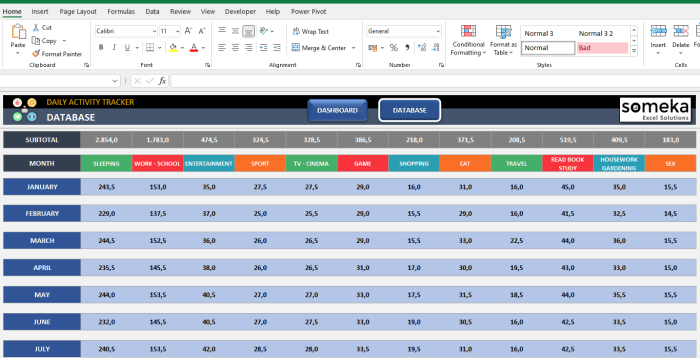
Proper nutrition plays a crucial role in supporting physical fitness and overall health. When combined with tracking daily activity using a fitness tracker, it can help individuals achieve their wellness goals more effectively.
Using a Fitness Tracker to Monitor Nutritional Intake
Fitness trackers are not only useful for tracking physical activity but can also be utilized to monitor nutritional intake. Many fitness trackers come with features that allow users to input their meals and snacks, providing insight into their daily calorie consumption and nutrient intake.
By keeping track of what you eat, you can ensure you are meeting your nutritional needs and make adjustments as needed.
How Proper Nutrition Supports Physical Fitness and Overall Health
Proper nutrition is essential for fueling the body, aiding in muscle recovery, and supporting overall performance during physical activities. A well-balanced diet rich in nutrients such as proteins, carbohydrates, fats, vitamins, and minerals can help improve energy levels, enhance endurance, and promote muscle growth and repair.
Additionally, consuming a variety of nutrient-dense foods can boost the immune system, reduce the risk of chronic diseases, and improve overall well-being.
Quality Sleep
Quality sleep is essential for overall health and well-being. It plays a crucial role in various bodily functions, including cognitive function, immune system regulation, and mood stability. Tracking daily activity with a fitness tracker can positively impact the quality of sleep by providing insights into sleep patterns and habits.
Using Fitness Tracker for Sleep Monitoring
Using a fitness tracker to monitor sleep patterns can help individuals understand their sleep cycles and identify areas for improvement. Here are some tips for utilizing a fitness tracker to improve sleep quality:
- Wear the fitness tracker consistently while sleeping to track sleep duration and quality.
- Review the data collected to identify trends, such as restless periods or interruptions in sleep.
- Set sleep goals based on recommended hours of sleep for your age group and track progress towards achieving them.
- Use the sleep tracking feature to establish a bedtime routine and optimize sleep environment for better rest.
Relationship Between Sleep Quality and Overall Health
Quality sleep is closely linked to overall health and well-being. Adequate and restful sleep can improve cognitive function, mood, and physical performance. On the other hand, poor sleep quality has been associated with an increased risk of chronic conditions such as obesity, diabetes, and heart disease.
Prioritizing quality sleep can significantly impact your health in a positive way, making it an essential component of a healthy lifestyle.
Cardio Health
Regularly monitoring cardiovascular activities is crucial for maintaining overall well-being. Fitness trackers play a vital role in helping individuals keep track of their heart rate, blood pressure, and other important metrics related to cardiovascular health.
Using a Tracker to Improve Cardiovascular Health
- Set daily activity goals: Fitness trackers allow users to set specific goals for daily steps, active minutes, and calories burned, which can help improve cardiovascular health through regular physical activity.
- Monitor heart rate: By keeping an eye on heart rate patterns during different activities, individuals can ensure they are working out at an intensity level that benefits their cardiovascular system.
- Track sleep quality: Adequate sleep is essential for cardiovascular health, and fitness trackers can provide insights into sleep patterns to help users make necessary adjustments for better rest.
Significance of Cardiovascular Health
Cardiovascular health is closely linked to overall well-being as the heart plays a vital role in pumping oxygen-rich blood throughout the body. Maintaining a healthy heart can reduce the risk of various cardiovascular diseases such as heart attacks, strokes, and hypertension.
Immune Boost
Tracking daily activity with a fitness tracker can play a significant role in supporting immune function. By staying active and monitoring your physical activity levels, you can help strengthen your immune system and improve your overall health.
Relationship Between Physical Activity and Immune System Strength
Regular physical activity has been shown to have a positive impact on immune system strength. Exercise helps increase blood circulation, which allows immune cells to move freely throughout the body and do their job effectively. Additionally, moderate exercise can reduce inflammation and help regulate immune responses.
Benefits of Immune-Boosting Activities for Overall Health, How to track daily activity with a fitness tracker
- Regular exercise can help reduce the risk of chronic diseases, such as heart disease, diabetes, and obesity, which can weaken the immune system.
- Physical activity can improve your mood and reduce stress levels, which can have a positive effect on immune function.
- Engaging in immune-boosting activities can enhance your overall energy levels and promote better sleep, both of which are crucial for a strong immune system.
- By maintaining a healthy weight through exercise and proper nutrition, you can reduce the strain on your immune system and allow it to function optimally.
Positive Mindset
Having a positive mindset is crucial for overall well-being, and tracking daily activity with a fitness tracker can greatly contribute to fostering this mindset. By monitoring your progress and achievements, you can boost your confidence, stay motivated, and develop a more optimistic outlook on your health and fitness journey.
Setting Positive Goals and Tracking Progress
- Set achievable and specific goals: Define clear objectives that you can track using your fitness tracker, such as reaching a certain number of steps per day or increasing your daily active minutes.
- Track your progress: Regularly review the data collected by your fitness tracker to see how you are advancing towards your goals. Celebrate small victories along the way to stay positive and motivated.
- Adjust and adapt: Use the feedback from your tracker to make necessary adjustments to your routine and continue challenging yourself. Seeing continuous improvement can reinforce a positive mindset.
Impact on Motivation and Overall Well-being
- Increased motivation: A positive mindset can boost your motivation to stay active, eat healthily, and prioritize self-care. Seeing progress can fuel your determination to keep pushing forward.
- Enhanced well-being: A positive outlook can lead to reduced stress, improved mood, and better mental health. It can also help you overcome obstacles and setbacks more effectively.
- Resilience and perseverance: Cultivating a positive mindset through tracking your daily activity can help you build resilience and perseverance, making it easier to stay committed to your health and fitness goals in the long run.
Clean Eating
Clean eating is a dietary approach that focuses on consuming whole, unprocessed foods in their natural state. It involves avoiding processed foods, added sugars, artificial ingredients, and unhealthy fats. Clean eating emphasizes nutrient-dense foods that provide essential vitamins, minerals, and antioxidants to support overall health and well-being.
Examples of Clean Eating Habits
- Avoiding sugary beverages and opting for water or herbal teas instead.
- Including a variety of fruits and vegetables in your daily meals for a range of nutrients.
- Choosing lean protein sources such as chicken, fish, tofu, or legumes.
- Opting for whole grains like quinoa, brown rice, and oats over refined grains.
- Limiting processed snacks and opting for nuts, seeds, or homemade trail mix.
Benefits of Clean Eating
- Supports physical fitness by providing essential nutrients for energy and muscle recovery.
- Promotes overall health by reducing the intake of harmful additives and preservatives.
- Aids in weight management by focusing on whole foods that are naturally low in calories and high in fiber.
- Boosts immunity by providing antioxidants and vitamins that support a strong immune system.
- Improves digestion and gut health by including fiber-rich foods and probiotic sources.
Daily Activity
Tracking daily activity plays a crucial role in maintaining overall health and fitness. By monitoring your movements, exercise routines, and calorie expenditure, you can gain valuable insights into your physical well-being and make informed decisions to improve your lifestyle.
Significance of Daily Activity Tracking
When you track your daily activity with a fitness tracker, you can:
- Set achievable fitness goals based on your activity levels.
- Stay motivated to move more throughout the day.
- Monitor your progress and make adjustments to your routine as needed.
- Understand how different activities impact your overall health.
Maximizing Benefits of Daily Activity Tracking
To make the most out of tracking your daily activity, consider these tips:
- Wear your fitness tracker consistently to ensure accurate data collection.
- Sync your tracker with a mobile app to review your activity trends and set reminders.
- Challenge yourself to increase your daily step count gradually over time.
- Use the data to identify patterns and make healthier choices in your daily routine.
Consistent Daily Activity and Well-being
Consistent daily activity is directly linked to improved well-being. By engaging in regular physical movement, you can:
- Boost your mood and reduce stress levels.
- Enhance your cardiovascular health and strengthen your muscles.
- Improve your sleep quality and overall energy levels.
- Support weight management and promote a healthier lifestyle.
Holistic Health
Maintaining holistic health involves taking care of your physical, mental, and emotional well-being. By tracking daily activity with a fitness tracker, you can gain valuable insights into your overall health and well-being.
Integrating Physical Activity, Nutrition, and Mental Wellness
Embracing a holistic approach to health means recognizing the interconnectedness of physical activity, nutrition, and mental wellness. Regular exercise helps improve physical health, while a balanced diet provides essential nutrients to support overall well-being. Additionally, mental wellness plays a crucial role in maintaining a healthy lifestyle.
By integrating these aspects, you can achieve a more balanced and holistic approach to health.
- Physical Activity: Engaging in regular physical activity helps improve cardiovascular health, strengthen muscles, and boost overall energy levels. Fitness trackers can help you monitor your activity levels and set achievable fitness goals.
- Nutrition: Consuming nutrient-rich foods is essential for supporting overall health and well-being. By tracking your daily food intake and nutritional content, you can ensure you are meeting your body’s needs and maintaining a balanced diet.
- Mental Wellness: Practicing stress management techniques, mindfulness, and self-care activities can contribute to improved mental well-being. Fitness trackers can also help track your sleep patterns, which play a significant role in mental health and overall wellness.
By integrating physical activity, nutrition, and mental wellness, you can achieve a more balanced and holistic approach to health.
Benefits of Embracing a Holistic Health Mindset
Adopting a holistic health mindset can lead to numerous benefits, including improved overall well-being, increased energy levels, better stress management, and enhanced mental clarity. Fitness trackers can serve as valuable tools in this journey by providing data-driven insights into your daily habits and behaviors.
By leveraging this information, you can make informed decisions to optimize your health and well-being.
- Improved Overall Well-being: Taking a holistic approach to health can lead to improved overall well-being, encompassing physical, mental, and emotional aspects of health.
- Increased Energy Levels: By prioritizing physical activity, nutrition, and mental wellness, you can boost your energy levels and enhance your productivity throughout the day.
- Better Stress Management: Engaging in regular exercise, maintaining a balanced diet, and practicing mindfulness can help reduce stress levels and promote a sense of well-being.
- Enhanced Mental Clarity: By prioritizing mental wellness and self-care activities, you can improve your focus, concentration, and cognitive function.
Embracing a holistic health mindset with the help of fitness trackers can empower you to take control of your health and well-being.
Mindful Living
Mindful living involves being fully present and aware of your thoughts, feelings, sensations, and surroundings in the present moment without judgment. It emphasizes the importance of paying attention to your actions and experiences as they happen, fostering a deeper connection to oneself and the world around you.
This practice can significantly impact your overall health and well-being, including mental, emotional, and physical aspects.
Incorporating Mindfulness with Fitness Tracker
- Set reminders on your fitness tracker to take short mindfulness breaks throughout the day. Use these moments to focus on your breath, body sensations, or surrounding sounds.
- Practice mindful eating by tracking your meals and paying attention to the flavors, textures, and sensations of each bite. This can help prevent overeating and promote healthier food choices.
- Use the sleep tracking feature on your fitness tracker to establish a bedtime routine that includes mindfulness practices like deep breathing or meditation to calm the mind and prepare for restful sleep.
- Utilize the stress tracking capabilities of your fitness tracker to identify triggers and patterns in your stress levels. Incorporate mindfulness techniques such as progressive muscle relaxation or guided imagery to manage stress effectively.
Impact of Mindful Living on Health and Well-being
- Mindful living can reduce stress and anxiety levels, leading to improved mental clarity, focus, and emotional resilience.
- Practicing mindfulness has been linked to better sleep quality, enhanced immune function, and lower risk of chronic diseases such as heart disease and diabetes.
- By cultivating mindfulness in daily activities, individuals can experience heightened self-awareness, increased compassion for themselves and others, and a greater sense of overall well-being.
Emotional Balance
Maintaining emotional balance is crucial for overall well-being and can significantly impact our health goals. Tracking daily activity with a fitness device can support emotional balance by helping us stay accountable and motivated in our wellness journey.
Activities for Emotional Well-being
- Practicing mindfulness and meditation: Engaging in activities that promote mindfulness and relaxation can help reduce stress levels and improve emotional stability.
- Journaling: Keeping a gratitude journal or writing down thoughts and feelings can aid in self-reflection and emotional processing.
- Yoga and breathing exercises: Physical activities like yoga and focused breathing techniques can have a calming effect on the mind and body.
- Social connections: Maintaining healthy relationships and social interactions can provide emotional support and a sense of belonging.
Importance of Emotional Balance
Emotional balance is essential for managing stress, improving mental health, and enhancing overall quality of life. It can also positively impact physical health outcomes and help in achieving fitness and wellness goals.
Health Education: How To Track Daily Activity With A Fitness Tracker
Health education plays a crucial role in conjunction with tracking daily activity as it provides individuals with the knowledge and tools necessary to make informed decisions about their health and well-being. By understanding how daily activity impacts overall health, individuals can take proactive steps to improve their lifestyle and prevent health issues.
Utilizing Fitness Trackers for Health Education
Fitness trackers are valuable tools for health education as they provide real-time data on various health metrics such as steps taken, calories burned, and heart rate. By using fitness trackers, individuals can gain a better understanding of their activity levels and set specific goals to improve their overall health.
Additionally, fitness trackers can be used in educational settings to teach students about the importance of physical activity and the role it plays in maintaining a healthy lifestyle.
Benefits of Ongoing Health Education
- Empowers individuals to make informed decisions about their health.
- Helps individuals understand the impact of daily activity on overall well-being.
- Promotes long-term behavior change and healthy habits.
- Reduces the risk of chronic diseases and health complications.
- Fosters a culture of health and wellness in communities.
Self-Care
Self-care is essential for maintaining overall well-being, and tracking daily activity can play a significant role in a self-care routine. By monitoring your physical movement, you can better understand your activity levels, set goals, and make adjustments to improve your health and fitness.
Tips for Using a Fitness Tracker for Self-Care
- Set achievable daily activity goals based on your current fitness level.
- Use the tracker to monitor your progress and stay motivated to reach your targets.
- Track different types of activities, such as steps taken, calories burned, and active minutes, to get a comprehensive view of your daily movement.
- Take advantage of features like reminders to move or personalized workout suggestions to stay active throughout the day.
- Sync your tracker with apps or devices to analyze your data and make informed decisions about your health and fitness routine.
Relationship Between Self-Care, Daily Activity Tracking, and Overall Well-Being
Daily activity tracking through a fitness tracker can help you prioritize self-care by promoting regular movement, encouraging mindfulness about your health, and fostering a sense of accomplishment. By taking care of your physical well-being through tracking, you are also likely to improve your mental wellness, emotional balance, and overall quality of life.
Chronic Disease
Tracking daily activity plays a crucial role in managing chronic diseases by providing individuals with valuable insights into their health and overall well-being. By monitoring key metrics such as physical activity levels, heart rate, sleep patterns, and calories burned, individuals can better understand how their lifestyle choices impact their condition.
Role of Fitness Trackers in Monitoring Chronic Conditions
Fitness trackers can assist individuals with chronic diseases in monitoring their health by providing real-time data on their activity levels, heart rate, and sleep quality. For example, individuals with diabetes can use fitness trackers to track their daily steps and exercise routines to better manage their blood sugar levels.
Similarly, individuals with heart disease can monitor their heart rate and physical activity to ensure they are staying within safe limits.
- Tracking Physical Activity: Fitness trackers can help individuals with chronic diseases stay motivated to engage in regular exercise, which is essential for managing conditions such as diabetes, heart disease, and obesity.
- Monitoring Heart Rate: By tracking heart rate throughout the day, individuals can identify patterns and triggers that may exacerbate their chronic condition, allowing them to make necessary adjustments to their lifestyle.
- Tracking Sleep Patterns: Adequate sleep is vital for overall health, especially for individuals with chronic diseases. Fitness trackers can provide insights into the quality and duration of sleep, helping individuals make lifestyle changes to improve their sleep hygiene.
Benefits of Consistent Daily Activity Tracking
Consistent daily activity tracking offers numerous benefits for individuals with chronic diseases, including:
- Early Detection of Health Issues: Fitness trackers can alert individuals to any unusual changes in their activity levels or vital signs, prompting them to seek medical attention early to prevent complications.
- Personalized Health Goals: By setting specific activity targets and monitoring progress, individuals can tailor their fitness routines to their unique health needs, leading to better management of chronic conditions.
- Improved Overall Health: Engaging in regular physical activity and monitoring daily activity levels can lead to improved cardiovascular health, weight management, and overall well-being for individuals with chronic diseases.
Last Word
In conclusion, mastering the art of tracking your daily activities with a fitness tracker can lead to a more informed and healthier lifestyle. By incorporating these strategies into your routine, you can take charge of your well-being and make positive changes that will impact your overall health in the long run.
Quick FAQs
How can a balanced diet enhance the tracking of daily activity?
A balanced diet provides the necessary nutrients to support physical activity and ensures accurate data tracking on your fitness tracker.
What is the significance of stress management in relation to tracking daily activity?
Managing stress levels can positively impact your overall health and fitness outcomes, making it easier to achieve your goals with your fitness tracker.
How does tracking daily activity contribute to preventive care measures?
By monitoring your daily activities, you can detect early warning signs of health issues and take proactive steps towards preventive care with the help of your fitness tracker.